
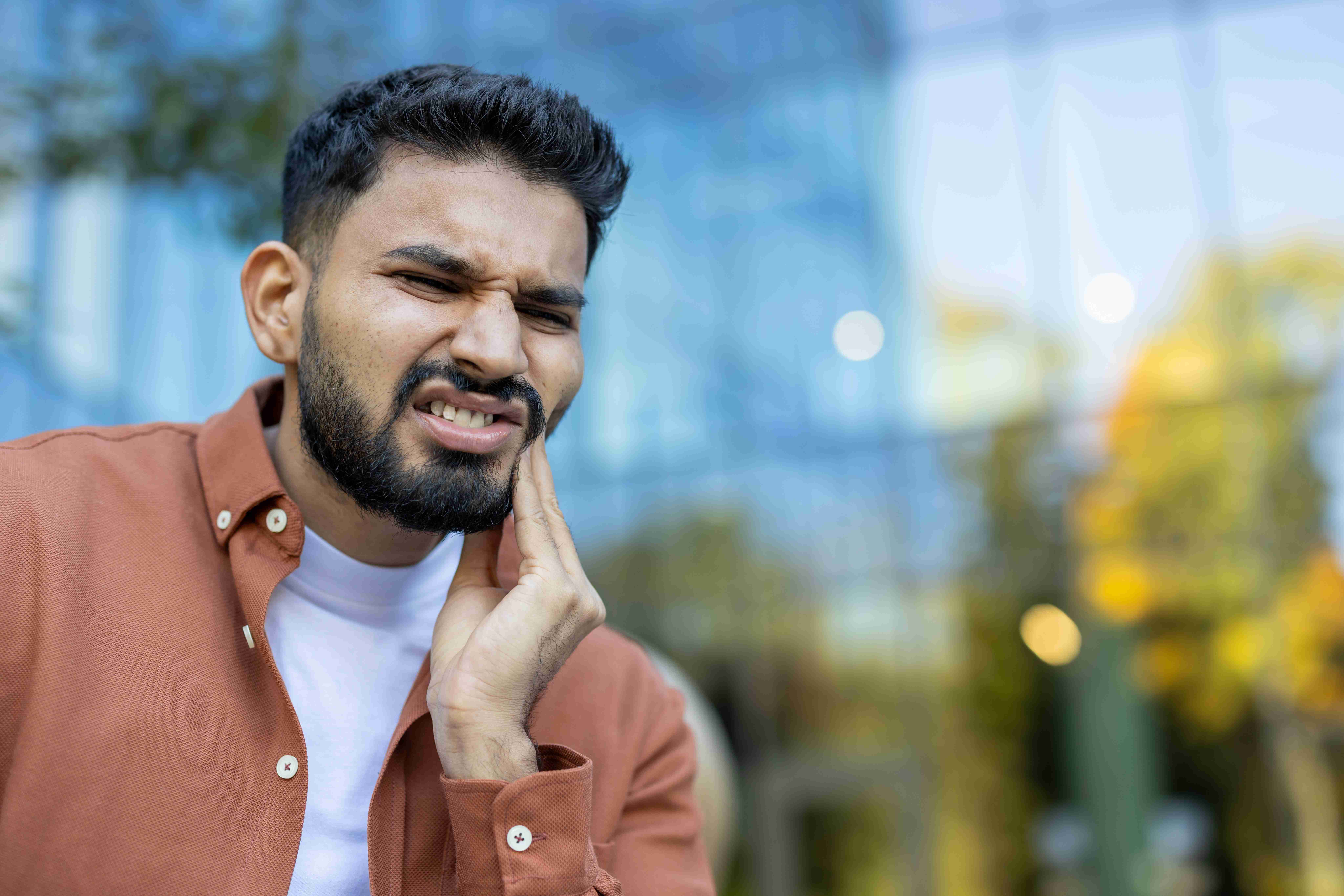
Can Stress Damage Your Teeth? The Surprising Signs Dentists Notice First
Stress affects far more than just mood, sleep, and energy levels. While most people associate stress with headaches, anxiety, or exhaustion, it can also quietly damage teeth and gums.
Dentists are often able to spot the signs of stress long before patients connect the symptoms themselves. From jaw pain and teeth grinding to bleeding gums and cracked teeth, ongoing stress can slowly affect oral health over time.
How Stress Affects the Mouth
When the body is under stress, it reacts physically in several ways. Muscles tighten, sleep patterns change, the immune system weakens, and inflammation levels can increase.
Although these reactions may not seem directly connected to oral health, they can affect the teeth, gums, jaw, and even daily dental habits.
During stressful periods, many people also tend to neglect their oral hygiene routines, snack more often, smoke more, or drink extra coffee and sugary drinks, all of which can increase the risk of dental problems.
Teeth Grinding Is One of the Biggest Warning Signs
Teeth grinding, also known as bruxism, is far more common than most people realise.
Many individuals grind or clench their teeth while sleeping without even knowing it. Others clench their jaws during stressful situations at work, while driving, or even while concentrating.
Over time, this pressure may lead to:
- Worn-down teeth.
- Cracked or chipped teeth.
- Jaw pain.
- Headaches.
- Tooth sensitivity.
- Neck and facial pain.
Stress Can Also Affect Your Gums
Stress may also weaken the immune system, making it harder for the body to fight inflammation and infection.
This can increase the risk of:
- Bleeding gums.
- Swollen gums.
- Gum tenderness.
- Bad breath.
- Gum disease.
When stress is combined with poor brushing habits or smoking, the risk becomes even higher.
Dry Mouth Can Lead to More Problems
Stress and anxiety may also contribute to dry mouth, either directly or as a side effect of certain medications used to manage anxiety, depression, or ongoing stress.
Saliva plays an important role in protecting teeth because it helps wash away bacteria and neutralise acids.
Without enough saliva, the mouth becomes more vulnerable to:
- Tooth decay.
- Mouth ulcers.
- Bad breath.
- Gum irritation.
- Oral infections.
Stress Often Changes Everyday Habits
Stress often changes everyday routines without people fully noticing. During stressful periods, many individuals may begin skipping brushing before bed, snacking on sugary comfort foods, drinking more coffee or fizzy drinks, smoking more frequently, sleeping poorly, and forgetting regular dental check-ups, all of which can gradually affect oral health over time.
The Signs Dentists Often Notice First
Dentists are trained to spot patterns patients may completely overlook themselves.
Some of the first signs of stress-related dental problems include:
- Flattened or worn teeth.
- Small cracks in enamel.
- Receding gums.
- Jaw tenderness.
- Tooth sensitivity.
- Bite marks on the inside of the cheeks.
- Frequent headaches linked to jaw tension.
Small Changes Can Help Protect Your Smile
While stress is a normal part of life, small lifestyle changes can make a big difference in protecting oral health.
Helpful habits may include:
- Maintaining a regular brushing and flossing routine.
- Drinking more water.
- Limiting sugary snacks and drinks.
- Getting enough sleep.
- Exercising regularly.
- Finding healthy ways to manage stress.
- Speaking to a healthcare professional when stress feels overwhelming.
For people who grind their teeth at night, dentists may also recommend a custom mouthguard to help protect teeth from damage.
Why Regular Dental Check-Ups Matter
Dental visits are not only about cavities. Dentists can often identify signs of stress, poor sleep, and unhealthy habits long before they become more serious health concerns.
Regular dental visits through your Affinity Dental plan can help identify early signs of teeth grinding, gum disease, enamel damage, and oral infections before they worsen. Early treatment and professional guidance can make a significant difference in protecting long-term oral health.
Healthy teeth and gums are closely connected to overall wellbeing, confidence, and quality of life. Sometimes, the first signs of stress are not emotional at all — they are written in your smile.
If you would like to leave a comment
CLICK HERE