
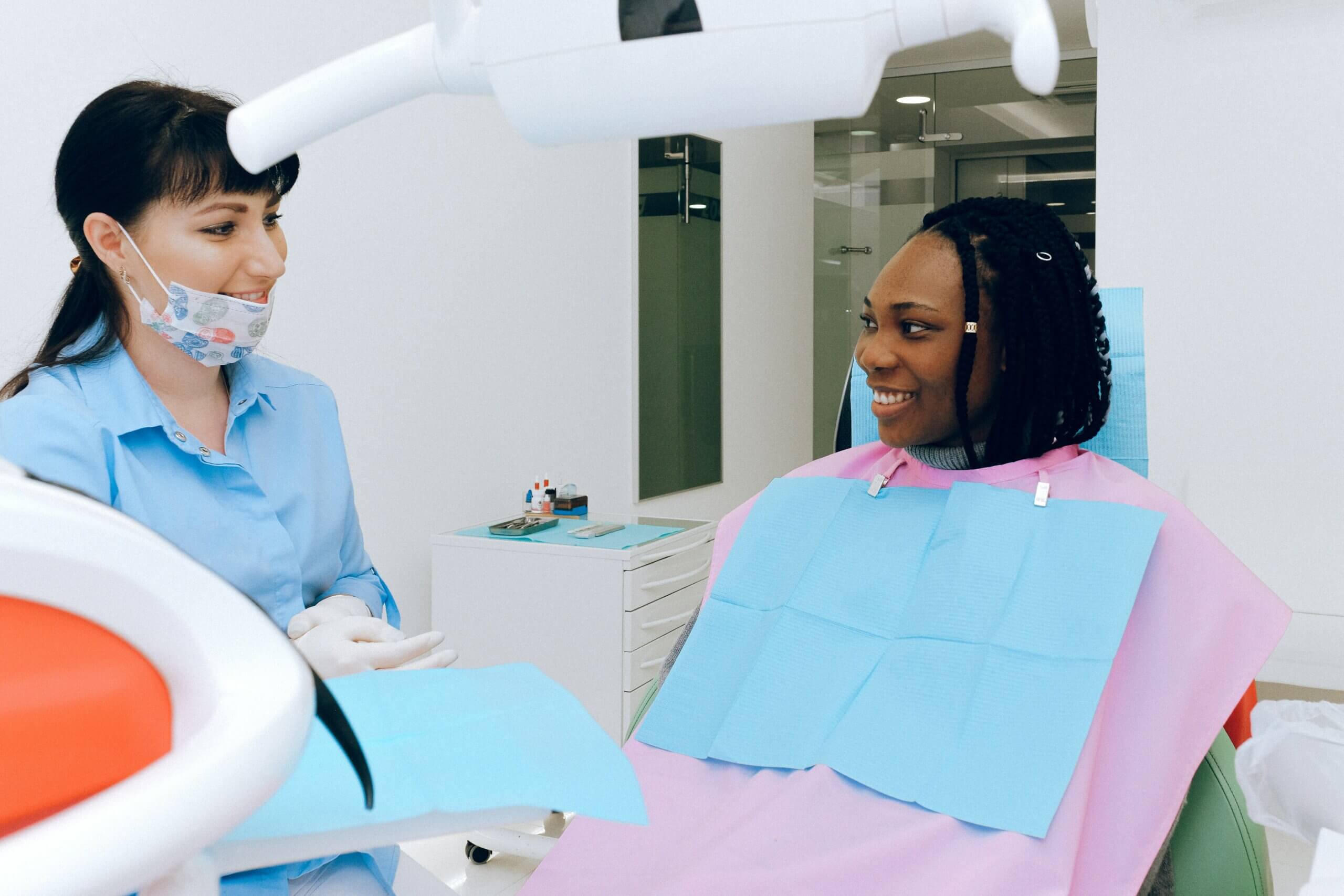
Dental Care Tips During Pregnancy: Protecting Both Mother And Baby
Pregnancy is a happy journey filled with excitement and hope. However, it also comes with a lot of hormonal and physiological changes. While most mothers-to-be prioritise overall health, oral health can sometimes take a backseat. Here’s why dental care is important during pregnancy and some tips to ensure optimal oral health.
Why is Dental Care Important During Pregnancy?
Pregnancy leads to hormonal changes that can heighten the risk of developing gum disease, which in turn can affect the health of your developing baby. Several studies have suggested a link between gum disease in pregnant women that can lead to the following conditions:
Premature Birth and Low Birth Weight
According to the National Institutes of Health, there is a link between gum disease in pregnant women and premature birth with low birth weight. Babies born too early may risk a range of health conditions, including problems with their eyes, ears, and breathing.
Preeclampsia
Some research suggests a correlation between gum disease and an increased risk of preeclampsia, a potentially dangerous pregnancy complication characterised by high blood pressure and damage to major organ systems, often the liver and kidneys.
Gestational Diabetes
There’s evidence to suggest that gum disease can increase the risk of gestational diabetes, which can put your baby at risk for complications, like excessive birth weight and early (preterm) birth.
Spread of Infection
Though rare, there is potential for the infection from gum disease to spread to the bloodstream and target the foetus, possibly leading to issues like stillbirth.
Increased Inflammatory Markers
Gum disease leads to increased levels of prostaglandins and other inflammatory health risks. High levels of prostaglandins are associated with preterm labour.
Dental Care Tips for Expectant Mothers
Here are a few ways to maintaining excellent dental hygiene during pregnancy:
Regular Dental Check-ups
Visit your dentist for regular check-ups during your pregnancy. Inform your dentist about your pregnancy so they can take necessary precautions and offer guidance tailored to your needs.
Brush and Floss Regularly
Brushing twice a day and flossing at least once daily is essential. Use a fluoride toothpaste and a soft-bristled toothbrush to protect your teeth and gums.
Rinse After Morning Sickness
If you experience morning sickness, avoid brushing immediately after vomiting. Your stomach acid can erode tooth enamel. Instead, rinse your mouth with water or a fluoride mouthwash and brush after about 30 minutes.
Maintain a Balanced Diet
Minerals and vitamins like calcium, phosphorus, protein, and vitamins A, C, and D are essential for the baby’s teeth, which begin to form around the third month of pregnancy. Ensure your diet is rich in dairy products, whole grains, lean proteins, and fruits and vegetables.
Limit Sugary Snacks
Pregnancy can often lead to increased sugar cravings. Try to limit sugary snacks as they can increase your risk of tooth decay. If you do indulge, ensure you brush your teeth or rinse your mouth afterward.
Stay Hydrated
Drinking plenty of water benefits not just your overall health but also your dental health. It helps rinse away food particles and acid, keeping your mouth clean.
Tackle Dry Mouth
Some women experience dry mouth during pregnancy. Chewing sugarless gum or sucking on sugarless candy can stimulate saliva production. Make sure to drink ample water and avoid mouthwashes containing alcohol.
Safe Dental Procedures
Regular dental cleanings and emergencies can typically be done anytime during pregnancy. However, non-emergency procedures, like fillings and crowns, should be performed during the second trimester. Always discuss and plan with your dentist and obstetrician.
Avoid Elective Procedures
Cosmetic procedures, like teeth whitening, should ideally be postponed until after the baby’s birth.
Update Your Dentist on Medications
Inform your dentist about any prescription or over-the-counter medications you’re taking, including prenatal vitamins. They might need to adjust your dental treatment plan accordingly.
Conclusion
Pregnancy is a transformative phase, with every aspect of a woman’s health deserving attention, including dental health. Good dental care practices not only protect the mother from potential complications but also safeguard the baby’s health. Remember, a healthy mother is more likely to give birth to a healthy baby, so prioritise your dental health as part of your comprehensive care during this beautiful journey. Always collaborate closely with both your obstetrician and dentist to ensure the best outcomes for you and your little one.
Affinity Dental remains committed to ensure the best outcomes for you and your little one to improve and maintain your oral health.
If you would like to leave a comment
CLICK HERE