
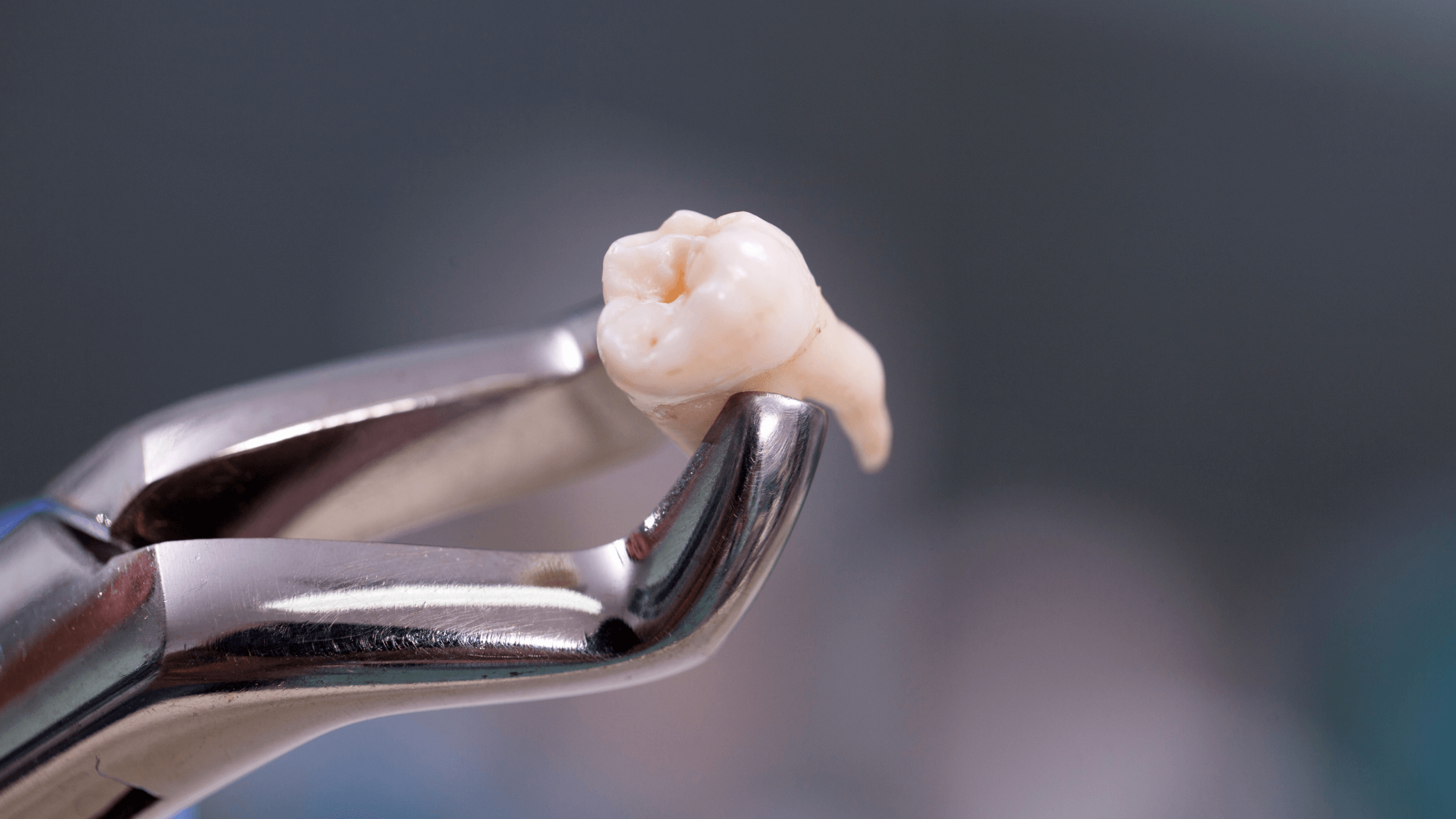
How Can I Make My Tooth Extraction Heal Faster?
Getting a tooth extraction hurts, so you might be wondering “How can I make my tooth extraction heal faster?” The tooth extraction can relieve you of pain caused by a cavity, luckily. Once the tooth is out, you can start the healing journey with a pain-free goal in sight.
The aim is that the extraction site closes up naturally, without infection or need for another dentist visit.
Even though a tooth extraction is a pretty routine procedure, the body still experiences trauma. It’s an open wound that needs care.
Follow the steps your dentist gives you. You’ll receive specific instructions on how to care for the wound correctly, to make the healing process quicker. Many factors will contribute to a successful healing journey.
After an extraction, you’ll want to avoid a condition called dry socket at all costs!
Keep The Bandage In Place
After an extraction, you’ll be asked to bite down on a piece of gauze or cotton wool.
Hold down the pressure for as long as possible to stop any bleeding. Change the dressing once it becomes over-saturated with blood and spit.
Do Not Brush The Area
Brushing can be too aggressive for a wound. We know you must brush your teeth, but be gentle.
Your whole mouth is involved in the healing. Don’t rinse too much; you don’t want to suck out the clot covering the wound area.
Eat Soft Foods
Make sure to eat soups, smoothies and easy-to-chew foods for the first few days. Sharp and hard foods can pierce the blood clot that forms after the procedure. This needs to remain in place because it stops the wound from bleeding.
If a piece of hard food breaks off near the wound, you may not be able to get it out without causing more damage. This will prolong the healing process.
Additionally, these particles can cause infection as the food decomposes. It is best to abstain from food as long as possible and then stick to nutritious liquids while healing. It will make you heal faster and return to eating your faves soon.
Please Don’t Play With It!
Once your tooth has been extracted, hold off on eating for a few hours afterwards and resist the temptation to suck at the wound. Many people have found themselves at the doctor for not following this sound advice.
Don’t use a straw for drinking beverages when the spot is healing. With a straw, your lips create a vacuum that could suck the blood clot from the site, causing the wound to bleed.
Take Over-The-Counter Medication
If you want to health swelling, you can do so by icing the area. If that doesn’t relieve all the pain, there are OTC medications you can use to take the edge off.
Once the anaesthesia from the extraction wears off, you may feel discomfort at the surgical site, says True Blu Dentistry.
While the pain should pass after several days, you can manage painful symptoms with over-the-counter anti-inflammatory medications.
Do not use medications consecutively for more than three days, and take the dosage recommended by the manufacturer. If the pain persists, it may be a symptom of an underlying issue, such as an infection or dry socket. You should contact your dentist immediately if this is the case.
What Is A Dry Socket?
Dry sockets can lead to severe infections, deteriorate jaw bone, and damage nerves.
If your pain persists days after an extraction, you could be suffering from a dry socket. This is only experienced by a fraction of people who have a history of bad dental hygiene.
Patients Usually Susceptible Are:
- Smokers,
- Women who use birth control,
- Those who had a traumatic extraction,
- Those who have had dry sockets previously.
Smoking is a significant risk factor for dry sockets. Avoid cigarettes and cigars. Oestrogen also interferes with your body’s ability to create blood clots. Speak to your dentist about which birth control you’re using and whether or not it will affect your healing.
Causes And Symptoms
The socket is the hole in the bone where the tooth has been removed. A blood clot will form in the empty socket to protect the bone and nerves underneath where the tooth used to be.
If the blood clot is dislodged before the wound has had time to heal, it leaves the bone and nerves exposed. It is now susceptible to air, food, and fluid.
This can lead to infection, which causes terrible pain.
Mayo Clinic explains that exposing the underlying bone and nerves can cause intense pain in the socket.
Dry socket is the most common complication following tooth extractions, such as removing wisdom teeth. You will need immediate emergency assistance.
Unfortunately, over-the-counter medications alone won’t be enough to treat dry socket pain.
Dental insurance can help with the costs of the check-ups that may come along.
As mentioned, a dental professional must oversee dry socket treatment. You will need to take a course of potent antibiotics and do a daily saltwater rinse.
Your dentist may suggest a minimal diet consisting primarily of liquids or soft foods to avoid contaminating or further injuring the socket. Once your dentist has checked out the site and removed any debris, they might give you a painkiller injection directly into the affected area.
Affinity Dental offers affordable premiums and essential benefits with three expertly crafted dental insurance plans structured to suit your and your family’s needs.
If you need to find an Affinity Dental-approved dentist in your area, click here.
If you would like to leave a comment
CLICK HERE