
How Mouthguards Help Prevent Sports Dental Injuries
Sport is a great way for children to stay active, make friends, and build confidence. But whether it is rugby, hockey, cricket, netball, cycling, or skateboarding, accidents can happen.
A knock to the mouth can chip, crack, or even knock out a tooth. These injuries can be painful and expensive to treat. The good news is that a simple mouthguard can help protect a child’s smile and reduce the risk of serious dental injuries.
What Is a Mouthguard?
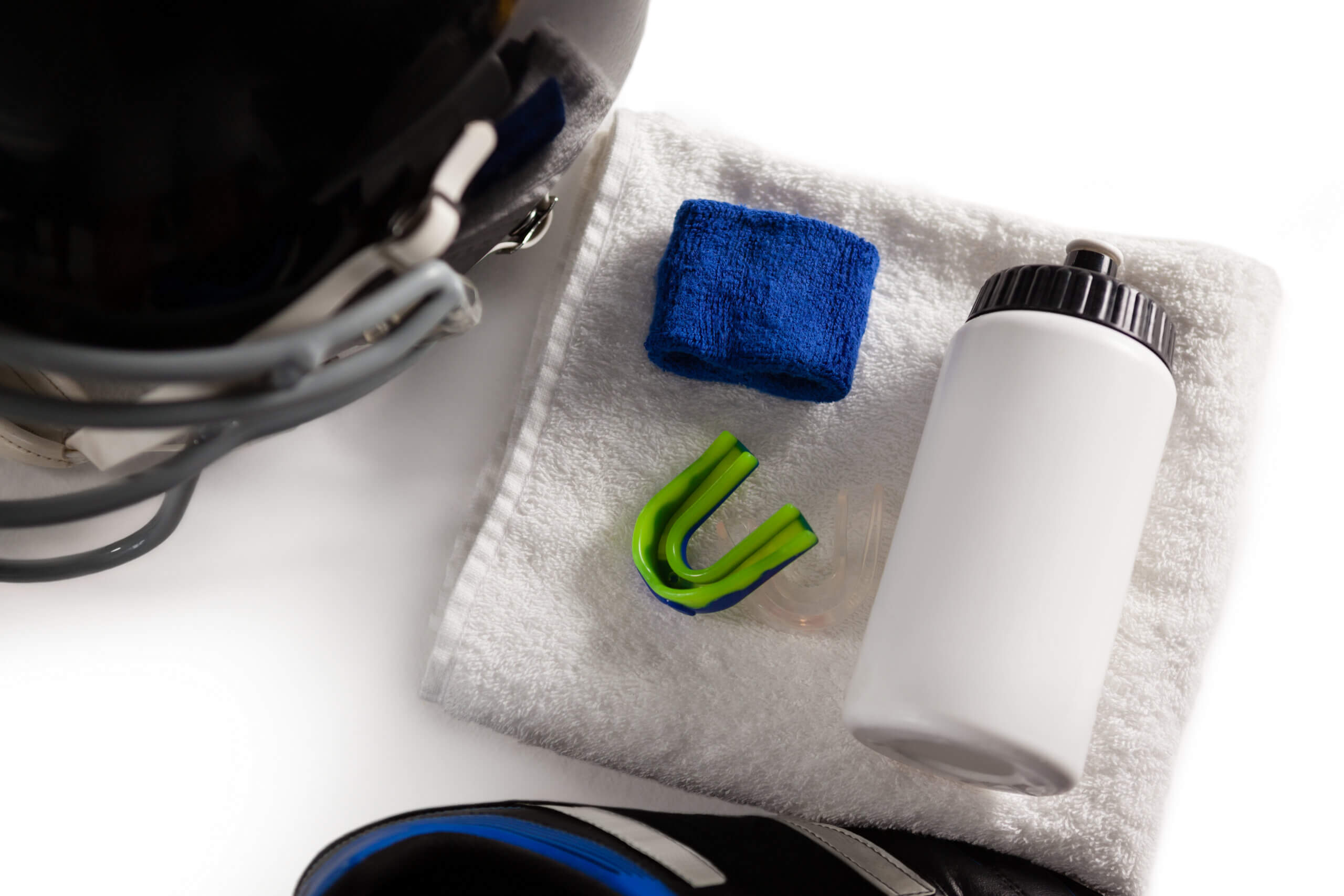
A mouthguard is a protective device worn over the teeth during sport or physical activity. It helps absorb and spread the force of a blow to the face, reducing the risk of injury to the teeth, gums, lips, cheeks, and jaw.
Mouthguards are commonly used in contact sports such as rugby, hockey, boxing, and martial arts. However, they can also be helpful in sports where falls or accidental collisions can occur, including cycling, skateboarding, basketball, cricket, and netball.
While a mouthguard cannot prevent every injury, it can help reduce the risk and severity of many dental injuries.
What Injuries Can a Mouthguard Help Prevent?
A properly fitted mouthguard may help reduce the risk of:
- Chipped or broken teeth.
- Knocked-out teeth.
- Teeth being pushed out of position.
- Cuts to the lips, cheeks, and tongue.
- Damage to braces.
- Jaw injuries.
- Painful dental trauma that may require urgent treatment.
You may think a chipped tooth is not a big deal, but dental injuries can affect eating, speaking, smiling, and confidence. More serious injuries can damage the roots of teeth, push teeth out of place, or knock them out completely.
Why the Right Fit Matters
A mouthguard only works properly if it fits properly.
If it is loose, uncomfortable, or makes it difficult to breathe, a child is less likely to wear it. A good mouthguard should feel comfortable, stay in place, and allow normal breathing and speaking.
If a child constantly needs to bite down to keep the mouthguard in place, it probably does not fit correctly.
There are three main types of mouthguards. Stock mouthguards are pre-made and usually offer the least protection because they are not designed to fit an individual’s mouth. Boil-and-bite mouthguards can be softened in hot water and moulded at home. Custom-made mouthguards are made by a dentist and generally provide the best fit, comfort, and protection.
Mouthguards and Braces
Children and teenagers with braces need extra protection during sport.
A blow to the mouth can damage brackets and wires, and can also cause the braces to cut the lips, cheeks, and gums.
A dentist or orthodontist can recommend a mouthguard that provides protection while still allowing space for the teeth to move during treatment.
When Should a Mouthguard Be Worn?
A mouthguard should be worn during matches as well as during practice sessions.
Many sports injuries happen during training when players may be tired, distracted, or not expecting contact.
Any activity that involves tackling, fast-moving balls, sticks, bats, close contact, or the possibility of falling can increase the risk of dental injuries.
Parents can help by making the mouthguard part of their child’s sports kit, just like boots, shin guards, or a water bottle.
Looking After a Mouthguard
A mouthguard requires regular care to stay clean and work properly.
It should be rinsed before and after use, cleaned with cool water and mild soap, and stored in a ventilated container.
Hot water should be avoided because it can change the shape of the mouthguard.
Parents should also check regularly for cracks, thinning, tears, or signs that the mouthguard no longer fits properly.
Growing children may need a new mouthguard as their teeth and jaws develop.
Conclusion
Sports injuries can happen in seconds, but a mouthguard can help reduce the risk of serious damage to the teeth and mouth. Whether your child plays competitive sport or enjoys weekend activities, wearing a well-fitted mouthguard is one of the easiest ways to help protect their smile.
Affinity Dental can help members access professional dental advice and care when sports-related dental injuries require urgent attention.
If you would like to leave a comment
CLICK HERE