
How To Help Your Child Overcome Dental Anxiety
Regular dental check-ups are essential for your child. Your child’s oral health is a crucial part of their development. According to research, dental health is significant in ensuring your child maintains excellent overall health.
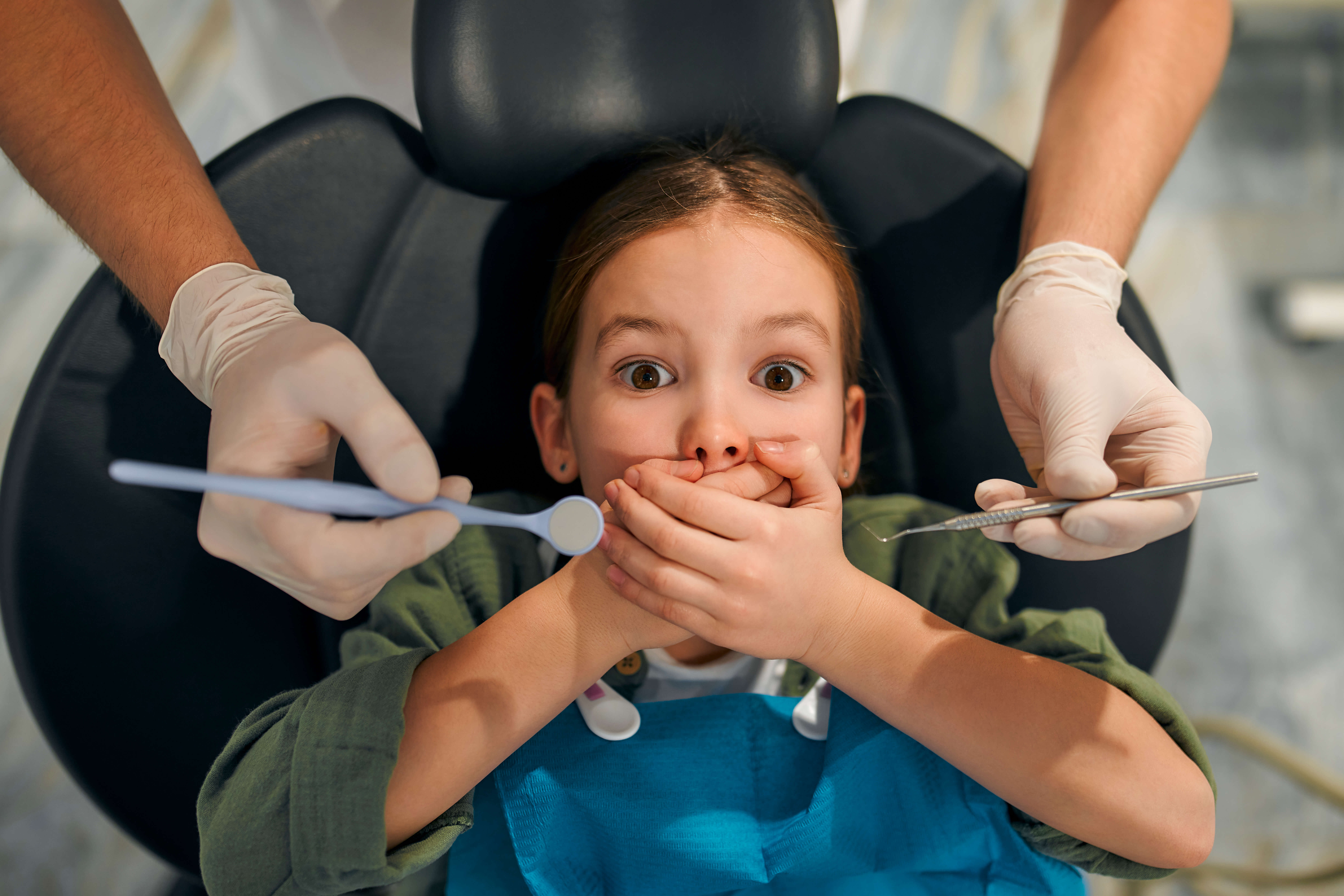
However, many parents overlook the need for regular dental check-ups for their children until it becomes a major concern. In most cases, children are afraid to visit the dentist, which could affect the development of recommended oral hygiene practices. Read on to find out about dental anxiety in children and how to manage it.
What is Dental Anxiety?
Did you know that dental anxiety is formally known as Dentophobia? Typically, you might notice that your child experiences this whenever you mention a dental check-up.
This anxiety can make it difficult for your child to understand why going to the dentist is necessary. It’s possible to see the physical symptoms, such as panic and excessive sweating, when it’s time to leave the house. The more severe the dental anxiety is, the more difficult it is to visit a dentist to maintain their good oral health.
Common Symptoms of Dental Anxiety
Research suggests that symptoms of dental anxiety can range from mild to severe. Your child might display the following.
- Shortness of breath.
- Uncontrollable shaking.
- Nausea.
- Dizziness and light-headedness.
- Heart palpitations and chills.
- Upset stomach.
Another warning sign that you should consider is whether your child cries whenever you mention a visit to the dentist. In addition, they might struggle with insomnia closer to the appointment date.

Causes of Dental Anxiety
There are various reasons why your child might fear going for a dental check-up. Even though dental anxiety can affect adults, children are most likely to experience it more. In fact, you can trace dental anxiety in adults back to when they were younger.
But why is dental anxiety common in children? Let’s shed some light on the causes of dental anxiety in children:
Bad Past Experiences
Past experiences easily influence children. If your child had an unpleasant interaction with one dentist, they’re likely to rule out every other one they encounter moving forward.
Fear of Pain
Dental procedures are often associated with pain. In most cases, the fear of going to the dentist comes from thinking it will be a painful experience. It can be worse if your child has had a tooth extracted before.
Anxiety by Association
If you have a history of anxiety before dental appointments, your child will likely mirror that. Your attitude can significantly contribute to your child’s behaviour when visiting the dentist.
It’s crucial to reassure your child that not every experience is the same and they should go to the dentist with an open mind. Also, ensure you manage your reaction to your dental visits to help reduce your child’s negative association.
How to Manage Dental Anxiety with Your Child
If you go back to your childhood memories about going to the dentist, you can understand how your child feels about going for a dental check-up. The situation can worsen if your child fears injections, procedures, and medical equipment. The following are six tips you should consider to help calm your child before you take them to the dentist.
- Help them manage their fear and emotions by encouraging them about their upcoming experience.
- Give them a brief explanation of what to expect. Ensure you answer their questions but don’t sugar-coat anything.
- Try to maintain consistency by using a trusted, friendly dentist.
- Use creative methods such as role-playing the experience to give them a picture of what it might be like.
- If their dental anxiety is severe, get help from a professional to determine the cause and find solutions to reduce their fear.
- It always helps to stay calm and patient so that your child can mirror your behaviour.
The bottom line is that it’s normal for your child to fear going to the dentist. You must understand where this fear comes from. Most importantly, find effective ways to manage it for the sake of your child’s oral health in the long run.
The fact is children’s dental health should be a priority. Good teeth are part of their healthy development.
If you would like to leave a comment
CLICK HERE