

Is Dentophobia Real? Debunking Myths and Understanding Dental Anxiety
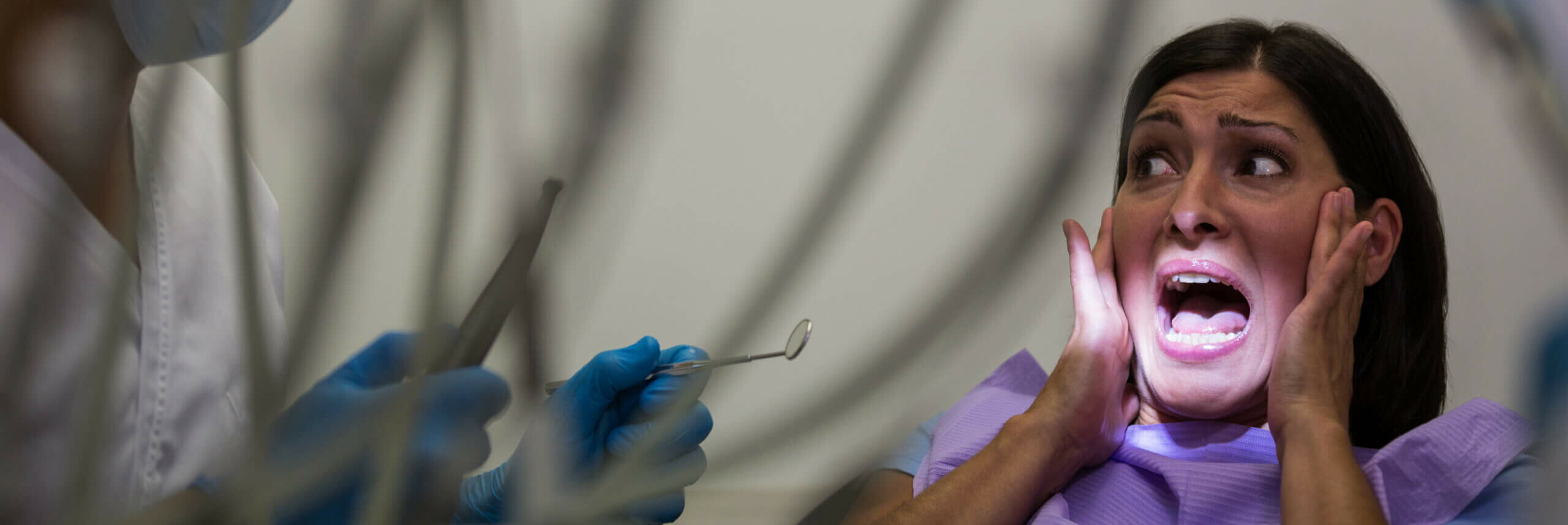
The fear of going to the dentist, known as dentophobia, is a common experience for many people. Read on to learn about the myths surrounding dental anxiety and its impact on individuals.
Myth 1: Dental Fear Is Exaggerated
One of the prevailing myths about dental fear is that people simply exaggerate their discomfort. It’s essential to recognise that dental fear is a genuine emotional response to a situation that many find distressing.
Dental fear can manifest in various ways, from mild uneasiness to severe panic attacks. It is essential to acknowledge that everyone’s threshold for discomfort is different, and what may be a minor inconvenience for one person can be a significant source of fear for another.
Myth 2: Dental Fear Is Only About Pain
Another common misconception is that dental anxiety is solely related to the fear of pain. While the fear of pain is a significant component of dental anxiety, it is not the only factor.
Various other factors, such as the fear of needles, the sound of dental instruments, or a sense of loss of control during the dental procedure, can also trigger dental anxiety.
In some cases, dental fear may be linked to traumatic past experiences or negative stories heard from others. These emotional factors can contribute to anxiety, making it essential for dental professionals to empathise and understand their patients’ fears.
Myth 3: Only Children Experience Dental Anxiety
It is a common stereotype that only children experience dental anxiety. While it is true that children may be more likely to express their fears openly, many adults also struggle with dental anxiety. Adults may have developed dental anxiety in childhood and carried it into their adult lives. Others may develop dental fear later in life due to traumatic experiences or simply the passage of time.
Understanding Dental Anxiety
To better understand dental anxiety, it’s crucial to recognise that it can vary in intensity and can be classified into different categories:
Dental Fear
This is a mild form of dental anxiety characterised by uneasiness or nervousness when visiting the dentist. Individuals with dental fear may still attend dental appointments but may experience discomfort during the procedures.
Dental Phobia
Dental phobia is a more severe form of dental anxiety, often leading to avoidance of dental care altogether. People with dental phobia may go to great lengths to avoid dental visits, even when they know they need treatment.
Situational Dental Anxiety
Specific situations or aspects of dental care trigger this type of anxiety. For example, some individuals may fear needles, while others may be susceptible to the sounds or smells associated with the dental office.
Generalised Dental Anxiety
Generalised dental anxiety is a pervasive fear that extends to all aspects of dental care. Individuals with this form of anxiety may feel anxious about routine check-ups, cleanings, and any dental procedures.
5 Tips for Managing Dental Anxiety
Fortunately, there are various strategies to help individuals manage their dental anxiety and receive the necessary dental care:
- Open Communication: Patients should feel comfortable discussing their fears and concerns with their dentist. Open communication can help the dentist tailor the treatment plan and approach to accommodate the patient’s needs.
- Relaxation Techniques: Deep breathing exercises, mindfulness meditation, and progressive muscle relaxation can help individuals manage anxiety before and during dental procedures.
- Dental Sedation: Dentists can offer various forms of sedation, such as nitrous oxide (laughing gas) or oral sedatives, to help patients relax during dental treatments.
- Gradual Exposure: Some individuals may benefit from gradual exposure to dental procedures, starting with less invasive treatments and gradually progressing to more complex ones.
- Distraction: Listening to music, watching videos, or using virtual reality headsets during dental procedures can distract patients from their anxiety.
Conclusion
In conclusion, dental fear is real and can significantly impact individuals’ oral health and overall well-being. Debunking myths about dental anxiety is essential to create a more understanding and empathetic environment within the dental community. With open communication, relaxation techniques, and the use of sedation when appropriate, individuals can overcome their dental anxiety and maintain good oral health.
Contact Affinity Dental for helpful advice on which dental plan best suits you and your family or to find a network Dentist for advice on how to tackle dental anxiety.
If you would like to leave a comment
CLICK HERE