
Nutrition And Dental Health: What You Should And Shouldn’t Eat
When we think about dental health, our minds often jump to brushing and flossing. While oral hygiene practices are crucial, we mustn’t overlook the impact of nutrition on our dental health. What we eat and drink plays a significant role in maintaining strong teeth, healthy gums, and preventing oral diseases.
A well-balanced diet rich in essential nutrients can strengthen teeth enamel, support gum health, and prevent tooth decay. On the other hand, certain foods and beverages can erode tooth enamel, contribute to gum disease, and increase the risk of cavities. Read on to find out more about the connection between nutrition and dental health, including foods you should include in your diet and those you should avoid to keep your smile bright and healthy.
The Importance of a Nutritious Diet for Dental Health
Nutrients like calcium, phosphorus, vitamin D, and vitamin C are particularly important for strong teeth and healthy gums. Calcium and phosphorus help to rebuild tooth enamel and strengthen the jawbone, while vitamin D aids in calcium absorption. Vitamin C supports gum health and helps prevent gum disease by strengthening the connective tissues in the gums.
Tooth-Friendly Foods to Include in Your Diet

Crunchy Fruits and Vegetables
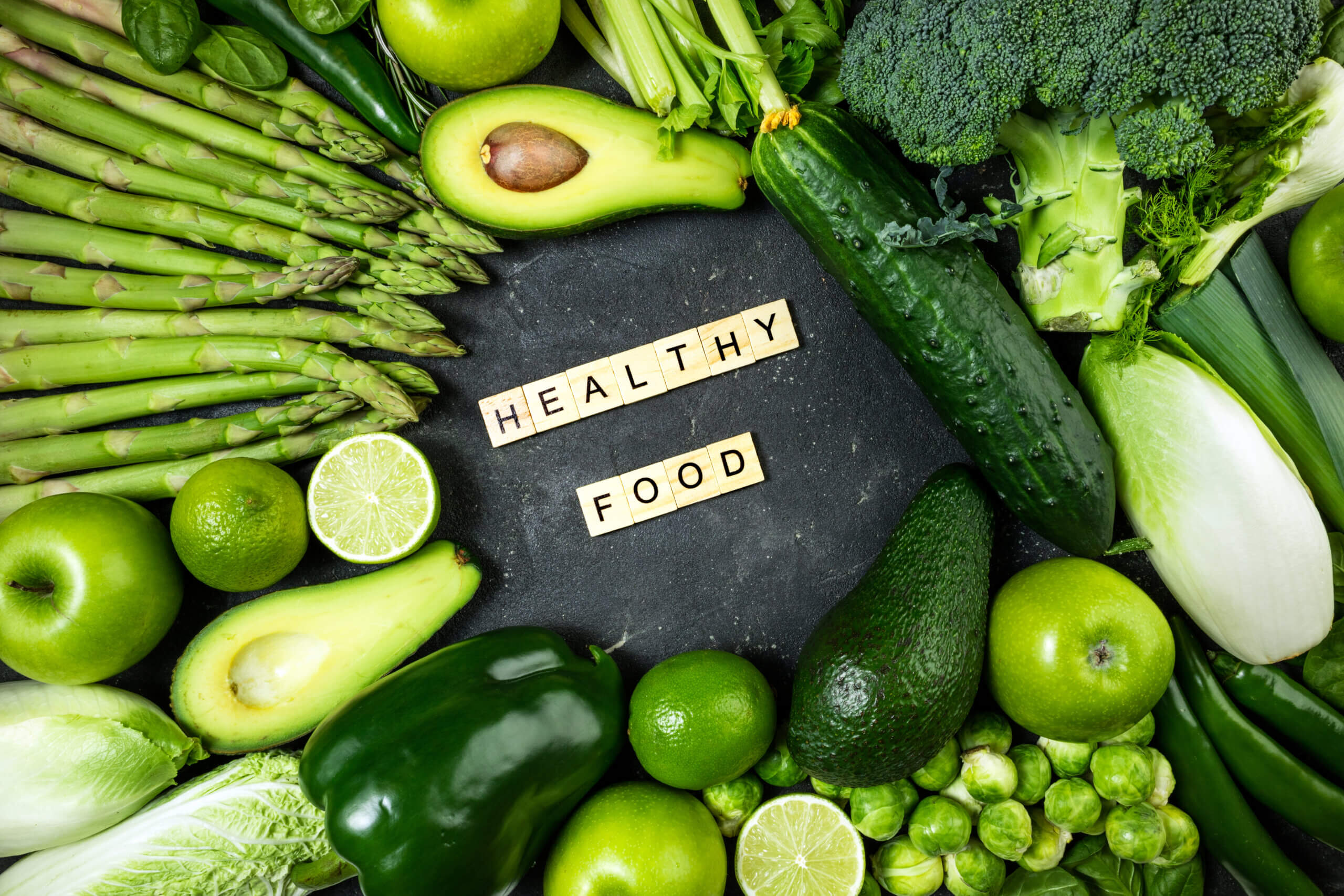
Apples, carrots, celery, and cucumbers are excellent fruit and vegetable choices to promote dental health. Their crisp texture stimulates saliva production, which helps neutralise acid and wash away food particles to prevent the growth of dental bacteria.

Vitamin C Sources
Citrus fruits, strawberries, bell peppers, and broccoli are excellent sources of vitamin C. This vitamin helps boost collagen production, which is vital for healthy gums.

Sugar-Free Gum
Chewing sugar-free gum after meals can stimulate saliva flow, which helps wash away food debris and neutralise acids responsible for tooth decay and gum infections. Look for chewing gum sweetened with xylitol, a natural sweetener that has been shown to reduce the risk of cavities.

Calcium-Rich Foods
Milk, cheese, yoghurt, and other dairy products are rich in calcium, which is essential for strong teeth and bones. If you are lactose intolerant or follow a plant-based diet, you can opt for calcium-fortified alternatives like almond milk or tofu.

Green and Black Teas
Both green and black teas contain compounds called polyphenols that can help suppress the growth of bacteria responsible for tooth decay and gum disease. These teas also contain fluoride, which strengthens tooth enamel. Herbal teas like chamomile, peppermint, and ginger are good alternatives to acidic or sugary drinks which can increase the growth of oral bacteria.
Beverages that Promote Dental Health
Water
Water is the best beverage for dental health. It helps rinse away food particles and keeps the mouth hydrated to prevent dry mouth and related dental conditions. Fluoridated water, such as tap water, can also aid in strengthening tooth enamel.
Milk
Milk not only provides calcium, but it also contains casein, a protein that helps protect tooth enamel. Additionally, it’s a great choice for promoting dental health, especially for children.
Tips for Maintaining Good Dental Health through Nutrition
- Enjoying sugary or acidic foods occasionally is acceptable, but moderation is key. The bacteria in our mouths feeds on sugar and produces acids that can damage tooth enamel and lead to cavities. Sticky foods can also get stuck between teeth, promoting plaque formation. Be mindful of your consumption, brush your teeth afterwards, or rinse your mouth with water.
- Processed foods often contain added sugars and preservatives that can harm your teeth, while starchy foods like potato chips, bread, and pasta can stick to teeth, promoting the growth of bacteria that leads to cavities. Instead, choose whole foods like fruits, vegetables, and lean proteins for better oral health.
- Try to avoid snacking throughout the day, as this exposes your teeth to acids and sugars for extended periods. Aim to consume meals and snacks at set times, allowing enough time for your mouth to recover in between.
- Sodas, energy drinks and fruit juices are often acidic and high in sugar, which can harm tooth enamel and increase the risk of cavities. After eating acidic or sugary foods, rinse your mouth with water to help neutralise acids and remove food particles or opt for healthier alternatives like water or herbal teas.
- While a healthy diet is crucial, regular dental check-ups and cleanings are essential for optimal dental health. Your dentist can identify any issues early on and provide appropriate treatment and guidance.
A nutritious diet plays a vital role in maintaining excellent dental health. You can strengthen your teeth and gums by incorporating tooth-friendly foods and beverages, practising good oral hygiene, and ensuring regular dental checkups. The good news is that Affinity Dental provides affordable network dentists to ensure you always take care of your smile.
If you would like to leave a comment
CLICK HERE