
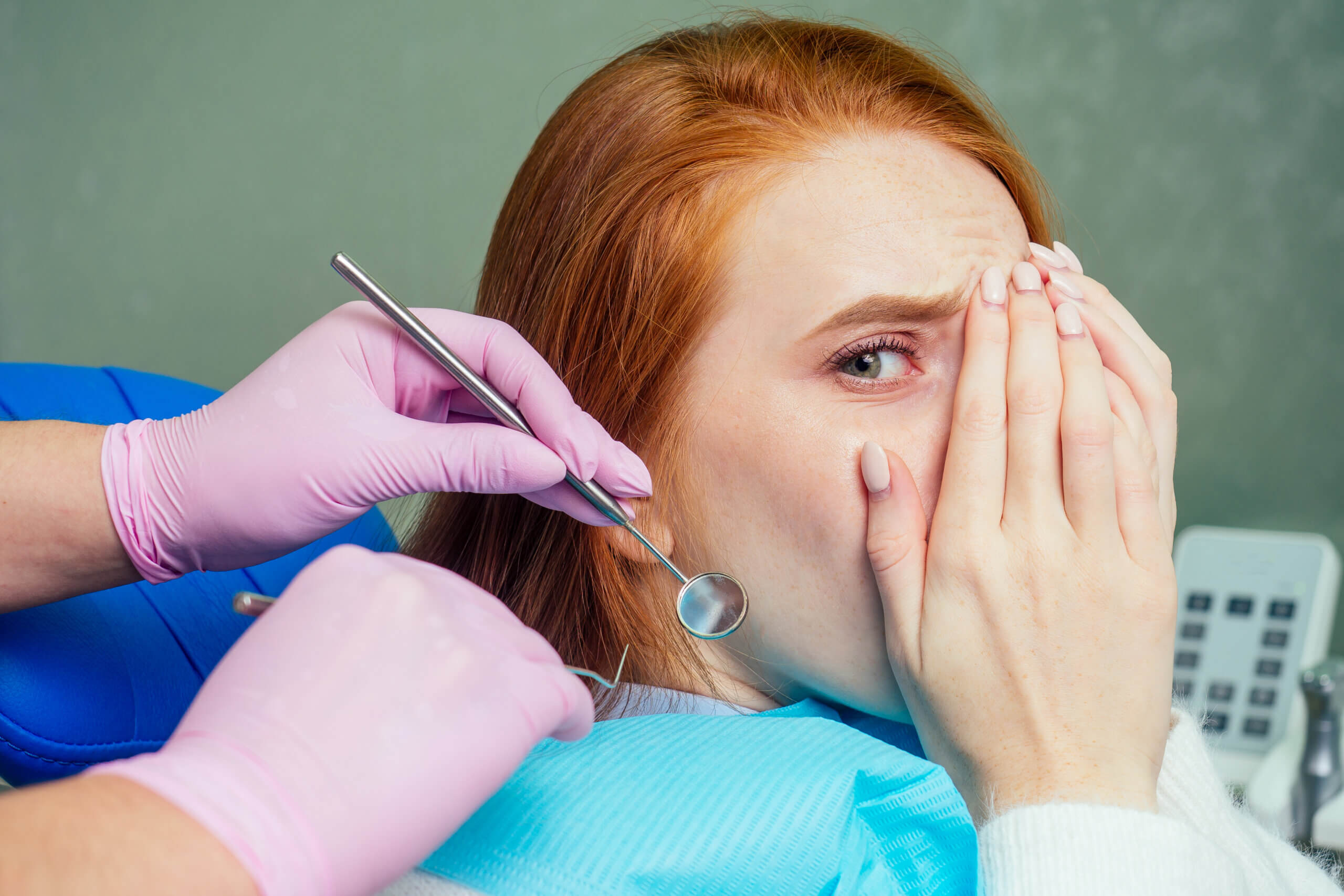
Overcoming Dental Anxiety: Tips For A Stress-Free Dental Experience
Seeing the dentist is important for maintaining good dental health. However, the fear of dentists can make visits stressful and even cause some people to avoid the dentist altogether, leading to more dental issues in the future. Read on for tips for overcoming dental anxiety to take control of your dental health.
Understanding Dental Anxiety
Dental anxiety is more than a fear of the dentist. People with dental anxiety, also called dentophobia or odontophobiamay, experience extreme feelings and symptoms in regards to dentistry, including intense worry, nervousness, or even panic.
Dental anxiety often stems from these various factors:
- Fear of Pain: The anticipation of pain during dental procedures is a common trigger for anxiety.
- Previous Traumatic Experiences: Negative experiences during past dental visits can leave a lasting impact.
- Feeling of Loss of Control: Being in a vulnerable position in the dental chair can make you helpless or out of control.
- Sensitive Gag Reflex: Some people have a sensitive gag reflex, which can be triggered during dental procedures.
- Embarrassment: Feelings of embarrassment about the condition of your teeth and gums can contribute to anxiety.
Tips for Overcoming Dental Anxiety
Choose the Right Dentist
Start by finding a dentist who understands and is empathetic to your dental anxiety. Communicate your fears and concerns openly, so they can tailor their approach to your needs.
Schedule a Pre-Consultation
Before your actual dental appointment, schedule a consultation with the dentist. This can help you get to know the dental team and become more familiar with the dental office environment, reducing anxiety on the day of the procedure.
Gradual Exposure
Consider starting with a less intimidating procedure, such as a dental cleaning, before moving on to more complex treatments. This gradual exposure can help build trust and confidence.
Bring a Support Person
Having a friend or family member accompany you to your dentist appointment can provide emotional support and reassurance.
Practise Relaxation Techniques
Deep breathing, meditation, or progressive muscle relaxation may help manage anxiety before and during the dental consultation.
Distraction
Bring headphones and listen to peaceful music or an audiobook to distract yourself from the dental work.
Discuss Sedation Options
Talk to your dentist about sedation options. Depending on the procedure and your level of anxiety, they may offer options such as nitrous oxide (laughing gas) or oral sedatives to help you relax.
Stay Informed
Ask your dentist to explain the procedure to you in detail before starting. Understanding what to expect can ease your anxiety.
Choose Morning Appointments
Schedule your dental appointments in the morning when you’re likely to be less tired and anxious.
Coping with Dental Anxiety at Home
In addition to the tips above, there are steps you can take at home to manage dental anxiety:
- Oral Care Routine: Establish a consistent oral care routine, including brushing and flossing twice daily. A healthy mouth can reduce the likelihood of needing extensive dental work.
- Limit Sugar and Acidic Foods: When possible, avoid sugary and acidic foods and drinks, as they can contribute to tooth decay and the need for dental treatments.
- Avoid Tobacco and Alcohol: Smoking and excessive alcohol consumption can impact oral health. Avoiding these substances can reduce the risk of dental issues.
- Use Desensitising Toothpaste: If you have sensitive teeth, consider using desensitising toothpaste to reduce discomfort.
- Stay Informed: Educate yourself about common dental procedures and treatments to simplify the process.
- Positive Self-Talk: Replace negative thoughts about dental visits with positive affirmations and self-talk.
- Seek Professional Help: Therapists, psychologists, and psychiatrists can offer various techniques to help you manage dental anxiety.
The Importance of Overcoming Dental Anxiety
Overcoming dental anxiety is critical for optimal oral health. Regular dental check-ups and cleanings help in preventing and treating dental problems before they get worse. By managing your anxiety and seeking dental care when needed, you can enjoy better oral health and overall well-being.
Conclusion
Dental anxiety is a common challenge, but it doesn’t have to prevent you from taking care of your oral health. By following the tips and strategies outlined in this article, you can gradually overcome your dental anxiety and have a stress-free dental experience. Remember that your dentist is there to help you and is willing to work with you to ensure a comfortable and anxiety-free visit. Don’t let fear hold you back from maintaining a healthy and beautiful smile.
At Affinity Dental, we are dedicated to making dental care accessible, affordable, and stress-free for you and your family. When you choose one of our dental plans, you gain access to a vast network of over 2,000 skilled and professional dentists.
Reach out to Affinity Dental for helpful advice on which dental plan is best suited to you and your family, and visit a network Dentist for more on how to overcome dental anxiety.
If you would like to leave a comment
CLICK HERE