
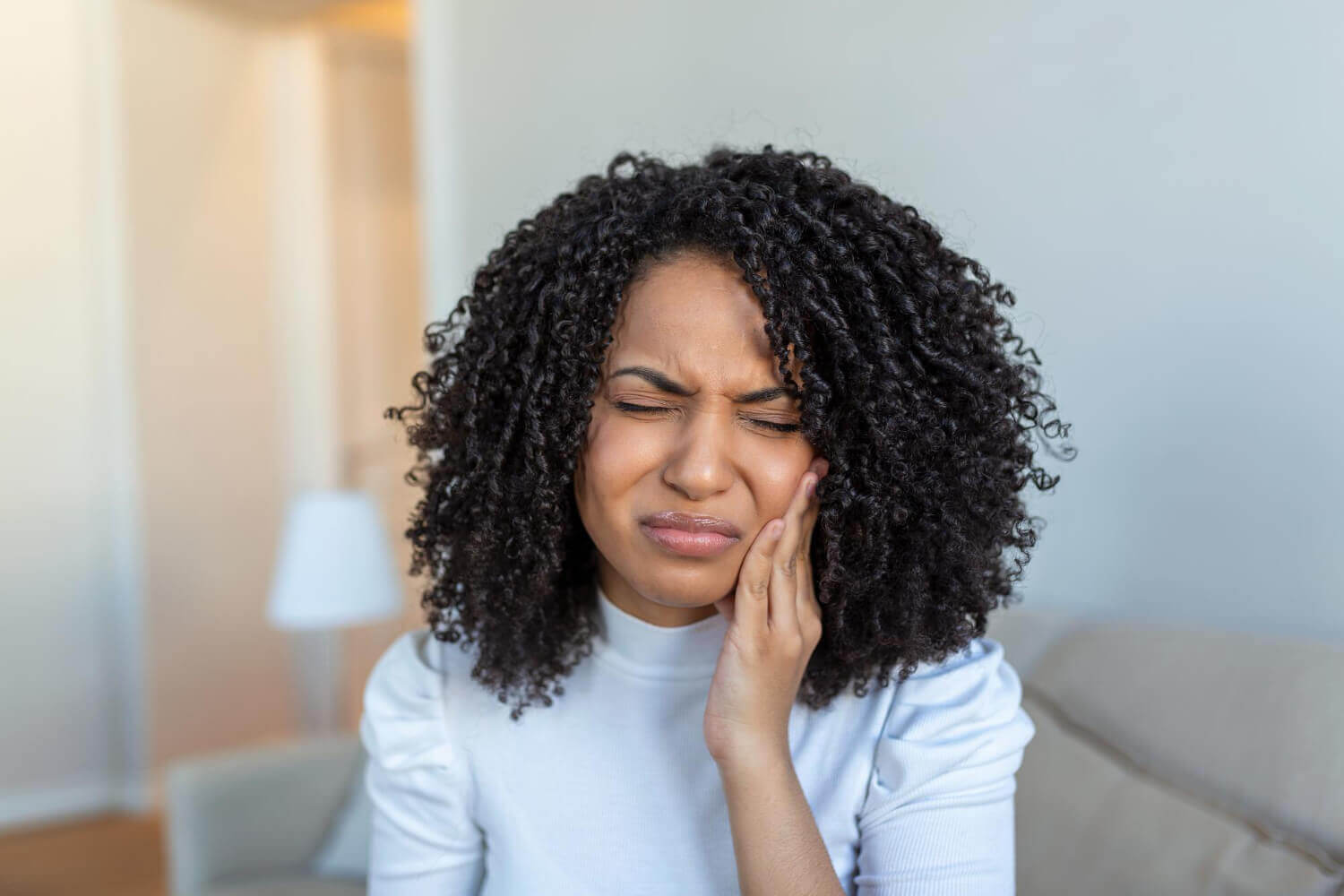
Stress, Teeth Grinding And Jaw Pain (Bruxism Explained)
Teeth grinding is a common condition that many people experience without even realising it. For some, it happens during the day when they are stressed or concentrating. For others, it occurs at night while they sleep. Read on to discover how, over time, this habit can lead to jaw pain, headaches, and tooth damage.
What Is Bruxism?
Bruxism is the medical term for grinding, clenching, or gnashing your teeth. It can occur while you are awake (awake bruxism) or asleep (sleep bruxism).
Awake bruxism is often linked to stress, anxiety, or intense focus. Sleep bruxism, on the other hand, is considered a sleep-related movement disorder and is sometimes associated with conditions such as snoring or sleep apnoea.
How Stress Contributes to Teeth Grinding
Stress is one of the biggest triggers of teeth grinding. When you feel anxious or under pressure, your body tends to hold tension in different areas, including the jaw.
Some people clench their teeth during the day without realising it, especially when concentrating or dealing with stressful situations. Over time, this repeated muscle activity places strain on the jaw and surrounding structures.
Even during sleep, stress can persist. The body does not fully relax, leading to unconscious grinding throughout the night.
Signs You May Be Grinding Your Teeth
Because bruxism often happens during sleep, many people are unaware of it. In some cases, a partner may notice the grinding sound first.
Common signs include:
- Jaw pain or tightness.
- Headaches, especially in the morning.
- Facial soreness.
- Tooth sensitivity.
- Worn, chipped, or flattened teeth.
- Clicking or popping in the jaw.
- Ear discomfort without an infection.
Understanding the Jaw Joint
The temporomandibular joint (TMJ) connects your jaw to your skull and plays an important role in everyday movements such as speaking, chewing, and yawning. Excessive clenching or grinding of your teeth can strain this joint and the surrounding muscles. This may lead to pain when chewing, limited jaw movement, jaw locking, and ongoing discomfort around the ears.
Why Night-Time Grinding Is a Problem
Sleep bruxism is often linked to brief moments of brain activity during sleep, sometimes called “micro-arousals”. These are brief periods when the body becomes slightly more active without fully waking. During these moments, jaw muscles may contract, leading to grinding. Because this can happen repeatedly throughout the night, it often goes unnoticed.
How Bruxism Is Diagnosed
Bruxism is often picked up during a routine dental check-up. Dentists look for signs such as tooth wear, enamel damage, jaw tenderness, or changes in bite profile. If needed, further assessment may be recommended, particularly if a sleep disorder is suspected.
Managing and Treating Bruxism
Treatment depends on the cause and how severe the grinding is.
Managing Stress
Since stress is a common trigger, finding ways to relax can make a difference. Regular exercise, breathing techniques, and better sleep habits can help reduce tension.
Night Guards
Custom-made mouthguards are often recommended for people who grind their teeth at night. These protect the teeth by creating a barrier and reducing pressure.
Lifestyle Changes
Cutting back on caffeine and alcohol, especially in the evening, may help reduce grinding. Avoiding chewing gum can also prevent overuse of the jaw muscles.
Treating Sleep Conditions
If sleep apnoea or another sleep issue is present, treating it may improve bruxism symptoms.
Protecting Your Oral Health
Teeth grinding may seem minor at first, but it can have a real impact on your oral health and overall comfort. The sooner it is identified, the easier it is to manage. Affinity Dental provides professional dental check-ups to help identify damage caused by bruxism.
If you would like to leave a comment
CLICK HERE