
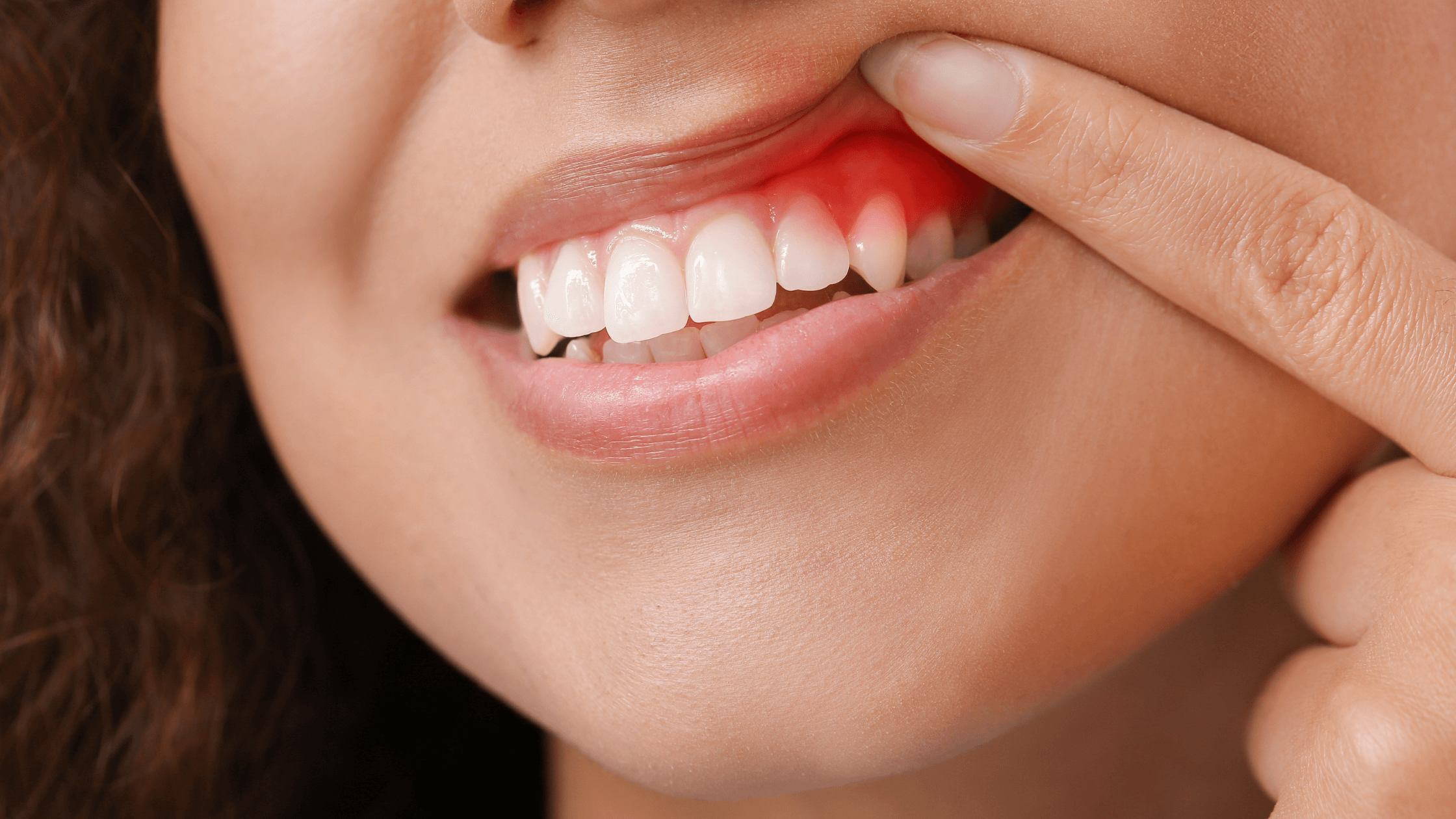
Symptoms Of Gum Disease
Periodontitis, commonly referred to as gum disease, involves severe inflammation of the gums. It affects the structures supporting the teeth (gums and periodontal ligament). Left untreated, gum disease can destroy the bone that supports your teeth and leave the teeth loose in the gum and exposed at the root.
Periodontitis begins with bacterial growth in the mouth and can result in multiple tooth loss, which is devastating for patients whose eating, speaking, and aesthetics will be affected. According to SA Gov, gum disease is linked to coronary heart disease, adverse pregnancy outcomes and diabetes.
Gum Disease Causes
There are many causes of periodontitis. One of the most prevalent is plaque. A thick film of bacteria forms on gums and teeth that daily brushing, flossing and rinsing removes. If not removed with regular cleaning, the plaque can harden into tartar and calculus. Other factors contributing to periodontal disease include hormonal changes, illness and compromised immunity.
Hormonal changes like pregnancy, puberty, menopause and menstruation make gums more sensitive to bacteria. During pregnancy, women often experience inflamed gums. It’s important to take extra care of your mouth during this time.
Other causes of gum disease are smoking, poor oral hygiene habits, nutritional deficiencies, a family history of dental disease, and prescription medications that dampen saliva flow in the mouth.
Symptoms
Before you recognise the symptoms of gum disease, it is important to know what healthy gums look like. Healthy gums appear firm and pale pink.
The signs and symptoms of gum disease can include the following:
- Swollen gums.
- Red gums.
- Bleeding gums.
- Halitosis or bad breath.
- Loose teeth or loss of teeth.
- Receding gums that pull away from your teeth make your teeth look longer than usual.
Sensitive Gums
In the early stages of gum disease, you might feel that your gums are tingly or sensitive after eating and drinking or experience discomfort after brushing. This tenderness of the gums is caused by dental plaque buildup at the gum line, explains Meridol. At this stage, gum problems can still be reversed or even prevented. The bone and connective tissue around the teeth are still unaffected, so proper routine and diet can prevent further degeneration.
Unfortunately, if the gums are left to erode beyond this point, the supporting bone and fibres that hold the teeth in place are irreparably damaged. A pocket can form below the gum line, which encourages penetration and growth of plaque.
If you have not consulted a professional or dentist, gum problems can become more advanced, and the fibres and bones of your teeth are being destroyed, which can cause your teeth to shift or loosen. This can affect your bite and how you eat and communicate.
Loose Teeth
Loose teeth are the most common symptom of gum disease. According to Colgate, the toxins from plaque buildup affect your gum tissue and the bone and ligaments that support your teeth. As the infection causes the disease to the bone and supporting tissues, your teeth may eventually become loose and need to be treated surgically or removed.
Luckily, even quite advanced cases of periodontal disease don’t have to progress to this point.
If you experience any of the above symptoms, visit your dentist immediately. They can find the underlying cause of your discomfort.
Affinity Dental offers a range of dental insurance cover options to fit your needs and ensure you have access to the best care when you need it!
Remember, getting regular dental checkups is the best way to catch gum disease in the early stages.
If you would like to leave a comment
CLICK HERE