
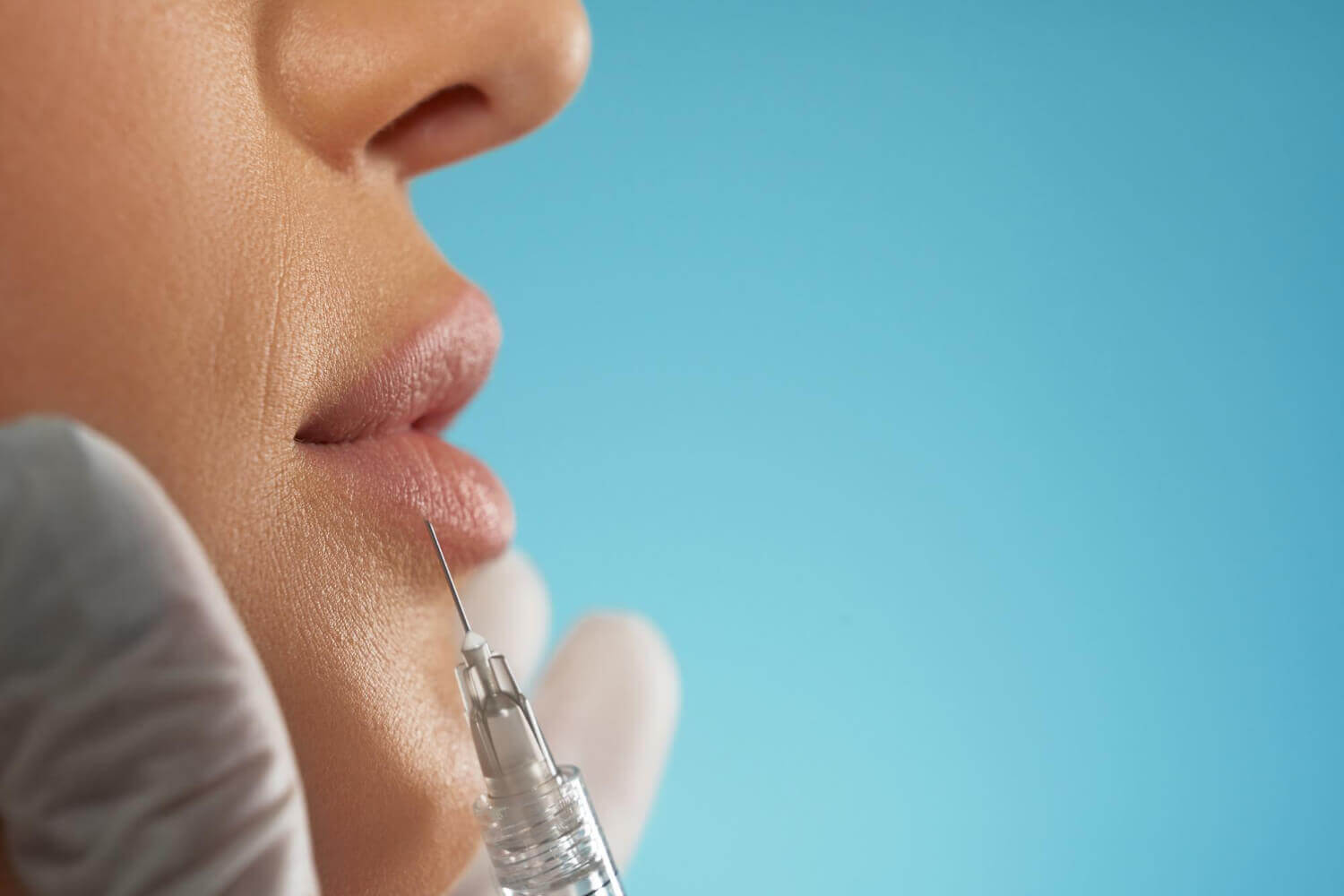
The Dental Impact Of Lip Fillers
Lip fillers have become increasingly common and are often viewed as a simple cosmetic treatment. While they are generally safe when performed correctly, fillers are injected very close to the mouth. This means they can affect oral health, dental comfort, and everyday activities such as eating, speaking, and brushing. Read on to learn more about the dental impact of lip fillers.
What Are Lip Fillers?
Most lip fillers are made from hyaluronic acid, a substance that naturally occurs in the body and helps retain moisture and volume. When injected into the lips, fillers add fullness and shape. Although the lips are soft tissue, they are closely connected to the teeth, gums, jaw muscles, and nerves. For this reason, oral health plays an important role before and after treatment.
Swelling and Oral Discomfort
Temporary swelling is a normal part of the recovery process after lip filler injections and can affect everyday mouth movements. Some people may notice changes in how their lips move, how clearly they speak, or how comfortable it feels to eat, drink, or brush their teeth. In the first few days after treatment, tenderness may make brushing and flossing uncomfortable, which can make it easier for plaque to build up along the gumline if oral care is neglected.
Impact on Brushing and Oral Hygiene
Good oral hygiene is especially important after lip fillers. However, tenderness or swelling may cause some people to avoid brushing properly. Even short-term changes in brushing habits can allow bacteria to build up, increasing the risk of gum inflammation, bleeding gums, and bad breath. Being gentle yet consistent with oral care during recovery can help safeguard gum health.
Risk of Infection Near the Mouth
All injectable treatments carry a small risk of infection. During lip filler procedures, bacteria from the mouth or surrounding skin can potentially enter injection sites. People with existing dental problems, such as gum disease, untreated cavities, or tooth infections, may be at a higher risk of complications. This is why having a healthy mouth is important for ensuring safe cosmetic procedures.
Changes in Lip Movement and Bite Awareness
Lip fillers can temporarily affect how the lips move and rest against the teeth. This can sometimes alter how a person smiles, speaks, or perceives their bite. These changes are usually short-term but can feel uncomfortable and may place mild strain on the jaw muscles until the lips settle and normal movement returns.
Dry Mouth and Lip Sensitivity
Some people experience dryness, tightness, or sensitivity in the lips after receiving filler treatment. Changes in moisture around the mouth can also affect how saliva spreads across the teeth. Saliva plays an essential role in protecting teeth by neutralising acids and washing away bacteria. When the flow or distribution of saliva changes, even temporarily, teeth may become more vulnerable to sensitivity, plaque buildup, and decay.
Dental Treatments and Timing
Dental procedures such as cleanings, fillings, or extractions may need to be carefully timed around lip filler treatments, as dental instruments and prolonged mouth opening can place pressure on recently injected areas. It is generally recommended to complete any necessary dental work before lip fillers, where possible, and to allow time for fillers to settle before major dental procedures.
Why Dental Health Should Be Checked First
A dental check-up before lip fillers can help identify gum disease, oral infections, tooth abscesses, and poor oral hygiene. Dealing with these issues beforehand reduces the chance of complications and supports better healing after cosmetic treatment.
Long-Term Oral Health Factors
Lip fillers are not permanent and often require repeat treatments. Maintaining good oral health becomes even more important when procedures are done regularly near the mouth. Healthy gums, clean teeth, and routine dental visits help ensure that cosmetic treatments do not affect your long-term oral wellbeing.
Making a Well-Informed Choice
Lip fillers should be treated as a medical procedure rather than simply a cosmetic choice. Knowing how they can affect oral health helps people plan properly, maintain proper mouth care during recovery, and seek professional advice early if any discomfort or issues arise.
Conclusion
Lip fillers can affect more than just appearance; they can also impact oral comfort, hygiene, and dental health, particularly during recovery. Taking care of your oral health before and after treatment helps reduce risks and supports better outcomes. Having an Affinity Dental plan can play an important role by providing preventive dental care and oral examinations that help protect teeth and the surrounding oral tissues, even if you decide to pay out of pocket for cosmetic procedures.
If you would like to leave a comment
CLICK HERE