
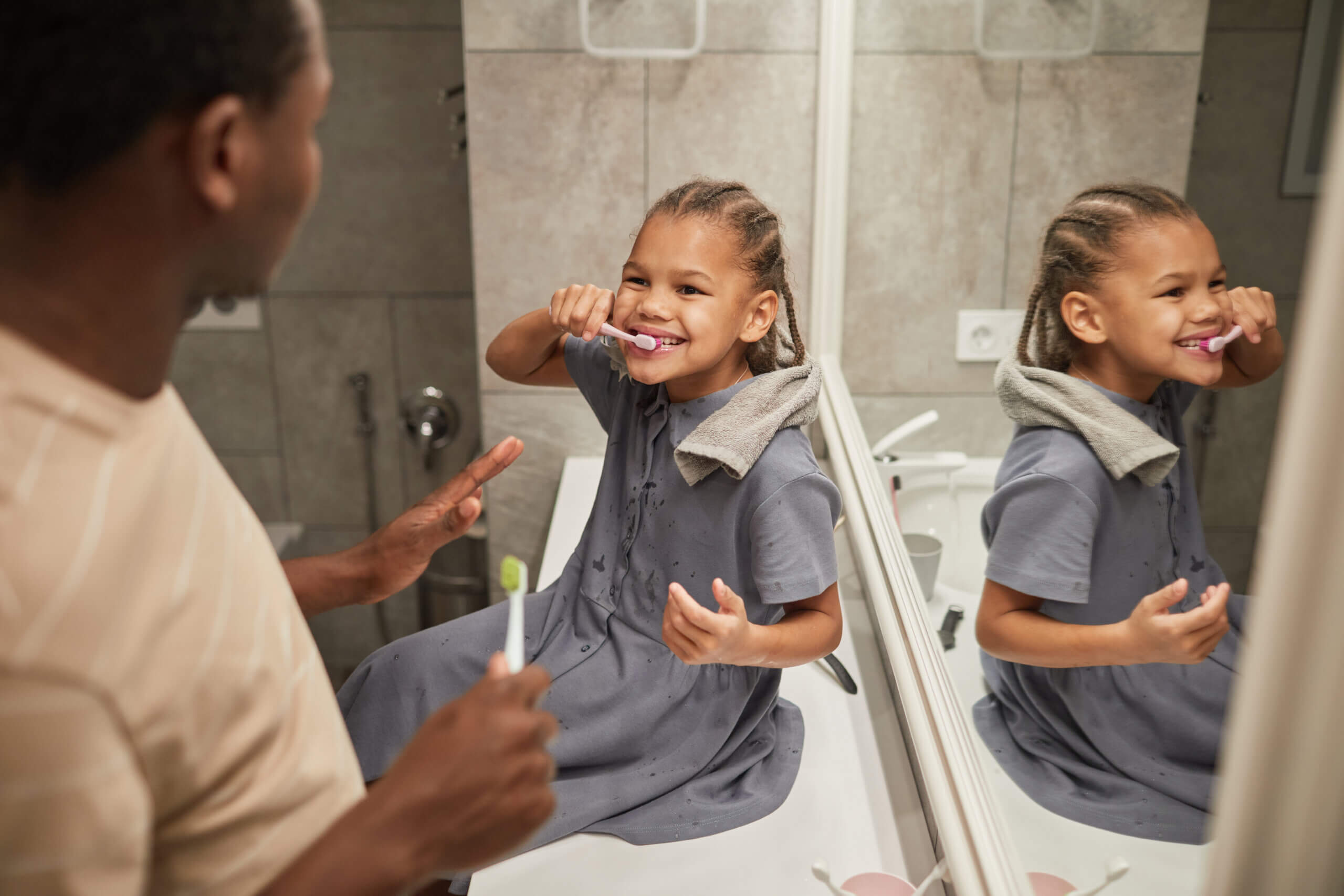
The Importance Of Teaching Kids Proper Dental Hygiene
Teaching children proper dental hygiene from a young age is not just about maintaining a bright smile; it’s about setting the foundation for a lifetime of good oral health. Read on to learn more about the importance of proper dental hygiene habits in children.
Why the Early Years Matter
Did you know dental decay can start as soon as a baby’s first tooth emerges? Early Childhood Caries (ECC), often called baby bottle tooth decay, can lead to cavities and dental issues if left untreated.
Proper dental care in children supports their oral health and their overall development. Healthy teeth and gums are fundamental for several aspects, including clear speech development, effective chewing (which directly impacts their nutrition), and establishing a healthy daily routine.
Preventing Dental Issues
Cavities, gum disease and tooth decay can increase a child’s risk of oral issues later on in life.
What are Cavities?
Cavities, or dental caries, are among the most common childhood dental issues. They can cause pain and discomfort and may require fillings or even extractions.
What is Gum Disease?
Gum disease, such as gingivitis, can lead to bleeding gums, bad breath, and, in severe cases, tooth loss.
What is Tooth Decay?
Tooth decay can lead to toothaches and the need for dental treatments like fillings or crowns.
Setting Lifelong Habits
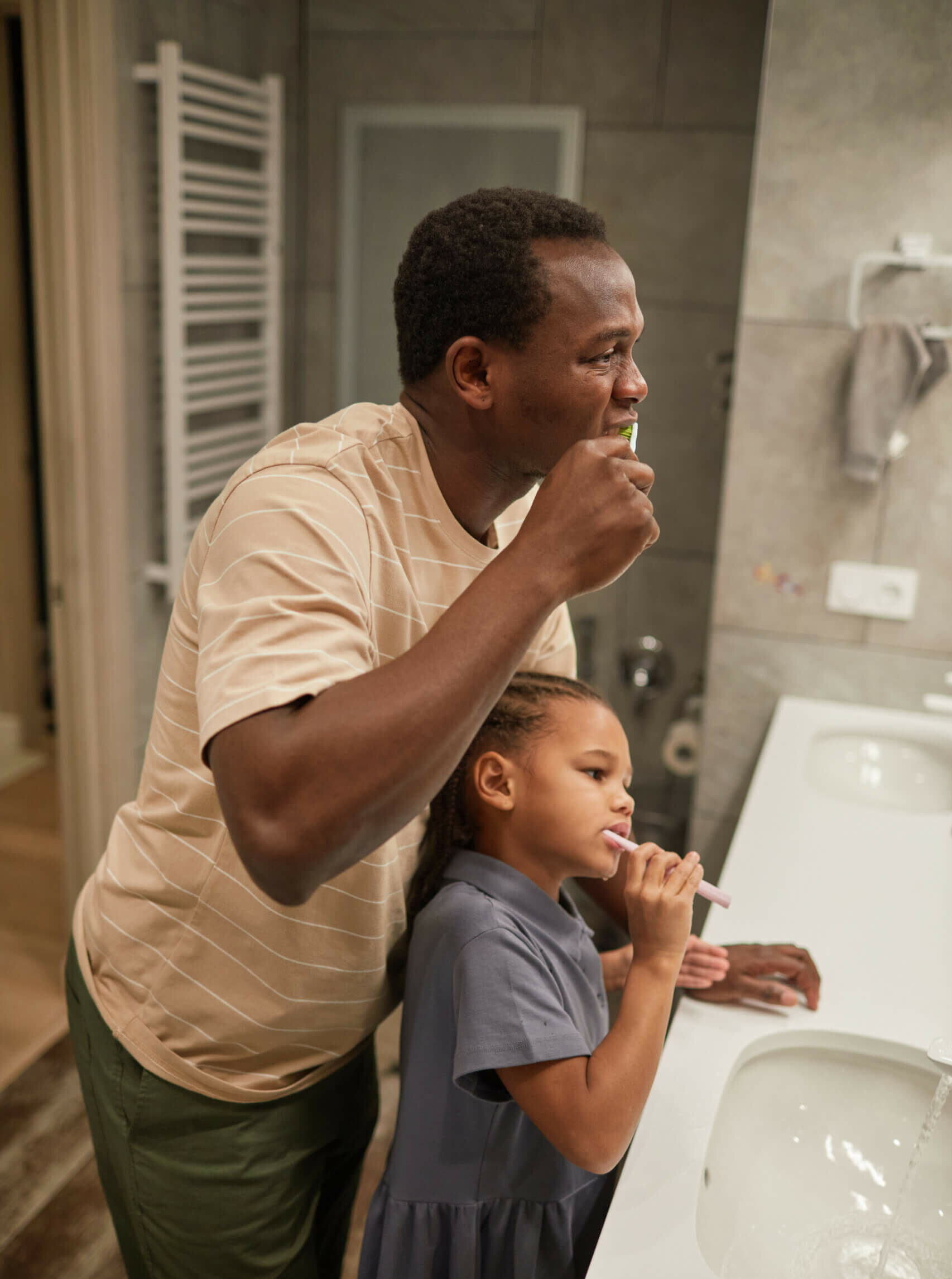
The habits children develop in their formative years often stick with them. Teaching your kids proper dental hygiene at an early age makes it more likely for them to continue to care for their teeth as adults. You should encourage the following habits:
Brushing and Flossing
Regular brushing and flossing are the cornerstones of good dental hygiene. When kids learn to do these tasks correctly from an early age, they are more likely to continue these habits into adulthood.
Here’s a step-by-step guide on how to teach your child to brush and floss effectively:
Start Early: Begin oral care routines as soon as your child’s first tooth appears, usually around six months of age.
Use the Right Tools: Choose a soft-bristle toothbrush designed for children. It should have a small head and a comfortable grip. Use fluoride toothpaste appropriate for your child’s age. For children under three, use a smear of toothpaste the size of a grain of rice. For ages three to six, use a pea-sized amount.
Proper Brushing Technique: Show your child how to hold the toothbrush correctly and how to move it in gentle, circular motions. Make sure they brush all surfaces of their teeth, including the front, back, and chewing surfaces.
Supervise and Assist: Until your child is around eight years old, they may need supervision and assistance with brushing and flossing to ensure they do a thorough job.
Teach Flossing: Once your child’s teeth start touching, usually around age two or three, introduce flossing. Use child-friendly flossers or floss sticks to make it easier for small hands. Show them how to gently insert the floss between their teeth, moving it up and down to remove debris and plaque.
Dental Check-ups
Regular dental check-ups are essential for maintaining oral health. By taking children to the dentist from a young age, you normalise this practice and reduce any anxiety or fear associated with dental visits.
Children should typically visit the dentist at least twice a year for regular check-ups and cleanings.
During a child’s dental check-up, a dentist will:
- Identify and address oral health issues in their early stages.
- Monitor a child’s dental growth and development, identifying issues with tooth alignment, jaw development, and the eruption of permanent teeth early on.
- Provide dietary recommendations to prevent tooth decay.
Boosting Confidence and Self-esteem
A healthy, attractive smile can do wonders for a child’s confidence and self-esteem. Kids who take pride in their dental hygiene and smile confidently are more likely to have a positive self-image.
Avoiding Pain and Discomfort
Dental problems can be painful and uncomfortable, causing distress and disruptions in a child’s life. Toothaches, gum pain, and dental procedures can all be avoided or minimised through proper dental hygiene.
Saving Money in the Long Run
Preventing dental problems through proper hygiene can also save you money in the long run. Dental treatments and procedures can be expensive, and dental insurance may not cover all costs. By investing in your child’s oral health now, you can avoid the financial burden of extensive dental work in the future.
5 Tips for Teaching Kids Proper Dental Hygiene
Now that we understand the importance of teaching children proper dental hygiene, let’s explore some practical tips to make the process effective and enjoyable:
- Start Early: Begin cleaning your child’s gums with a soft, damp cloth or a baby toothbrush even before their first tooth appears. As they get older, transition to a soft-bristle toothbrush.
- Make It Fun: Turn brushing and flossing into a fun activity. Use colourful toothbrushes and toothpaste, sing a brushing song, or let your child pick out their oral care products.
- Lead by Example: Children often mimic the behaviour of adults they admire. Brush and floss your teeth alongside your child to demonstrate the importance of these habits.
- Set a Routine: Establish a regular brushing and flossing routine, ideally after meals and before bedtime. Consistency is key to forming lasting habits.
- Use Positive Reinforcement: Praise and reward your child for good oral hygiene practices. Positive reinforcement can motivate them to continue taking care of their teeth.
Conclusion
Teaching children proper dental hygiene is a gift that keeps on giving. Investing in your child’s oral health is an investment in their future. By starting early, making dental care fun, and setting a positive example, you can help your child maintain a healthy, confident smile that will serve them well throughout their lives.
Contact Affinity Dental for helpful advice on which dental plan is best suited to you and your family, and a network dentist for more useful tips on proper dental hygiene for children.
If you would like to leave a comment
CLICK HERE