
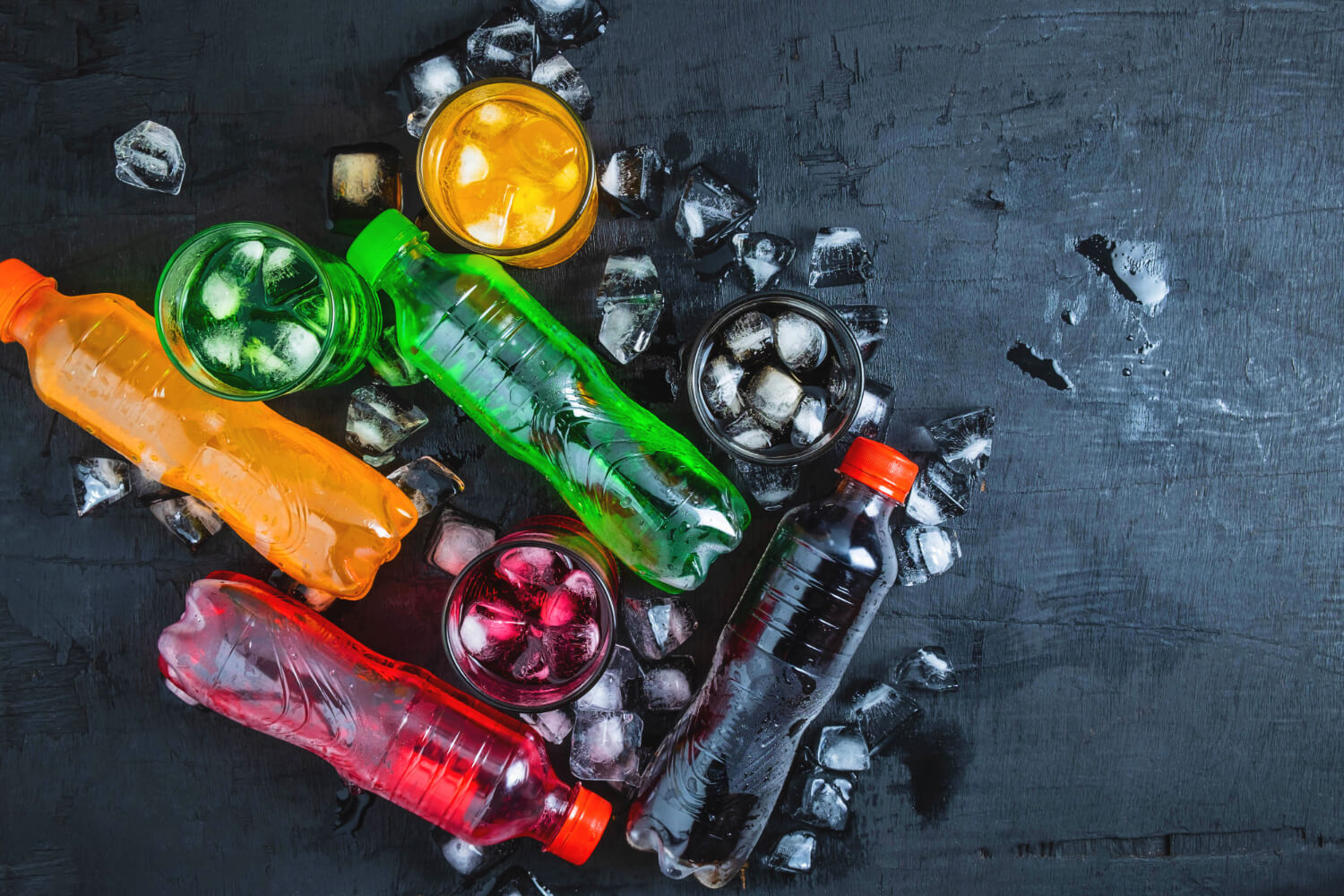
What’s Summer Without a Cool Drink?
Everyone has a favourite cold drink, the one we have to have on that long summer road trip or a lazy day in the sun at home. We know the brand’s jingle off by heart and smile when we hear it. Every South African is passionate about their cool drink. But at what cost to our teeth?
How Soft Drinks Damages Hard Enamel
Besides threatening your general health, carbonated drinks damage the surface of your teeth.
Healthy tooth enamel controls what can reach the inner layer of your tooth. When the enamel in your mouth erodes, you may suffer from toothache and sensitivity.
You may struggle to:
- Chew
- Bite
- Crunch
- Grind
- Swallow
The sugars in soft drinks interact with bacteria in your mouth to form an acid that attacks your teeth. Add that to other acids in regular and sugar-free sodas, and you’re starting a damaging reaction lasting for about 20 minutes. If you sip all day, your teeth are under constant attack.
Learn More: Can Enamel Damage be Repaired?
Fizzy Drinks Fast Facts
- People who drink more than three glasses of fizzy drinks daily have 62% more tooth decay. Consider swapping the fizzy drinks for a glass of water instead!
- Fizzy drinks increase your chances of tooth decay by 62%! Try to drink water when thirsty and reserve sugary drinks as treats.
- One glass of a fizzy drink can contain 10-12 teaspoons of sugar. Why not choose fruit juice as a healthier choice for your dental health?
How to Reduce Soft Drink Damage to Your Teeth
You can still enjoy your favourite cool drink this summer. Here are steps you can take to reduce the damage to your teeth.
- Drink in moderation.
- Drink through a straw.
- Balance with a few sips of water.
- Limit exposure to carbonic acid.
- Drink faster.
Learn More: The Pros and Cons of Diet Drinks

Keep Smiling All Summer
- 25% of adults don’t brush their teeth twice daily, increasing their risk of tooth decay by 33%! Do you brush your teeth twice daily?
- Brush your teeth for two minutes. Remember to brush the outside, inside and chewing surfaces of your teeth and your tongue.

- When you brush, don’t rush. Take about two minutes to do a thorough job. Don’t brush right after eating, especially if you have something acidic like grapefruit or soda.
- Don’t forget to clean your tongue, which harbours bacteria, with a toothbrush or tongue scraper.
- Use the proper equipment. Use fluoride toothpaste and a soft-bristled toothbrush that fits your mouth comfortably.
- Consider using an electric toothbrush to reduce plaque and a mild form of gum disease (gingivitis). These devices are also helpful if you have arthritis or other problems that make it difficult to brush effectively.
- Keep your equipment clean. Always rinse your mouth with water after brushing. Store your toothbrush upright and allow it to air-dry until using it again.
- Keep your toothbrush separate from other toothbrushes in the same holder to prevent cross-contamination. Don’t routinely cover toothbrushes or store them in closed containers, which can encourage the growth of bacteria, mould, and yeast.
- Floss to clean more than 40% of your tooth enamel. You can’t reach the bacteria in the tight spaces between your teeth and under the gum line with a toothbrush.
If you would like to leave a comment
CLICK HERE