
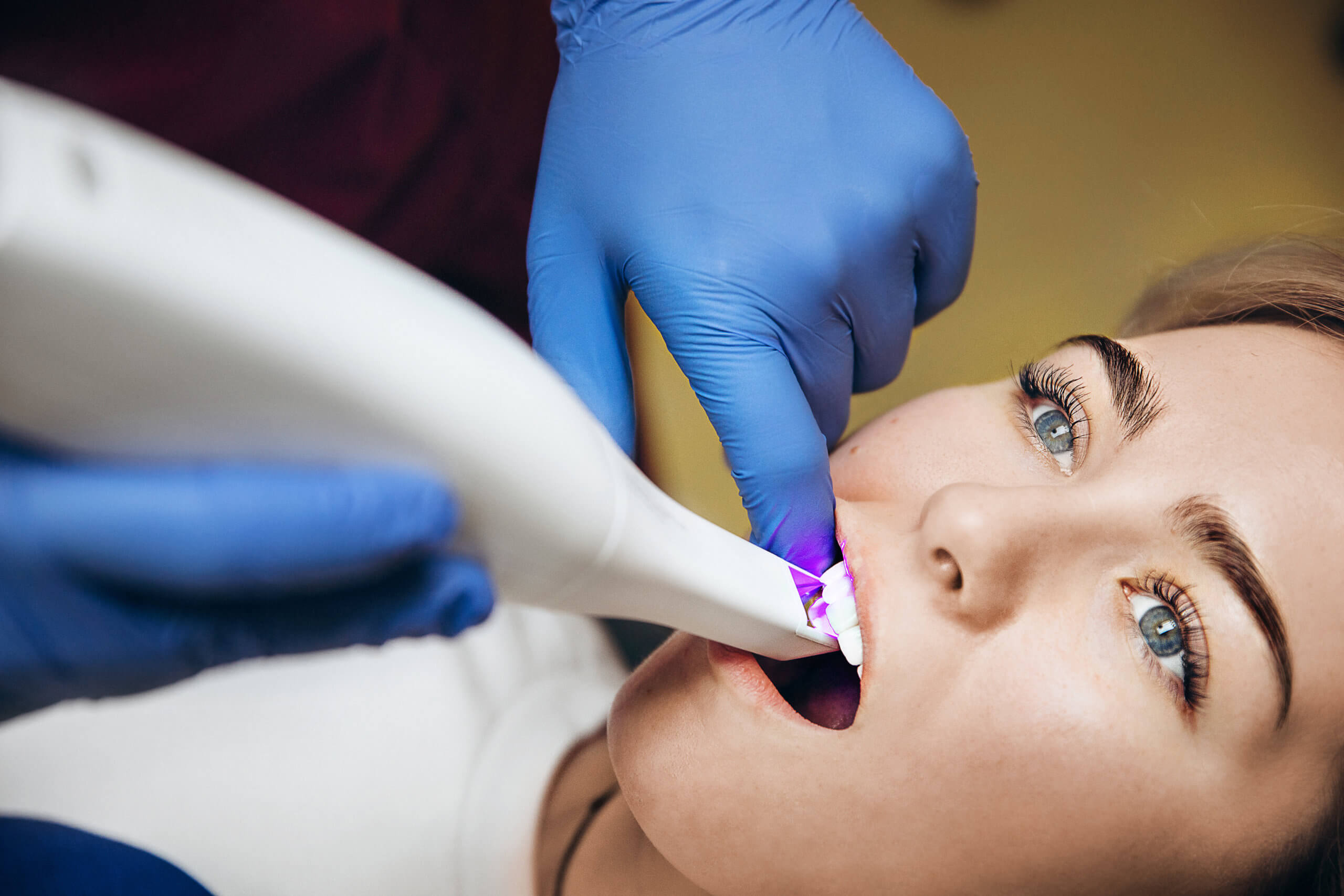
Why Do Your Teeth Hurt in Winter?
One of the biggest problems your teeth experience in cold temperatures is cavities. Owing to the generally reduced amount of saliva, your mouth becomes unable to host bacteria.
Toothpaste can help increase the surface area of your mouth relative to your teeth. According to MayoClinic.com, salicylic acid helps kill bacteria that cause cavities.
When you see your dentist and opt for a fluoride treatment, they may recommend you bathe your mouth with a fluoride gel twice a day. However, salicylic acid can soften the enamel of your teeth and cause grinding, bleeding, and bleeding gingival inflammation and bleeding gingival irritation, as well as pain.
When you put your mouth to freezing temperatures in winter, you also risk hypothermia. Hypothermia means “less heat” and can occur when your body loses heat from exercising, sleeping, or engaging in other activities that don’t involve the utilization of your muscles.
While it doesn’t affect everyone, when your body relies on its core temperature, you will feel cold. Hypothermia can quickly lead to weakness if you do not receive medical attention your body can shut down dangerously.
Keep in mind that getting excessively cold can result in significant pain and bleeding, and periodontal disease. Periodontal disease is the inflammation of the chewing surfaces and surrounding molars and teeth.
Commonly known as a disease affecting the whole mouth, periodontal disease of the gums and bone is the most common gum disease among people around the world. The inflammation can lead to infection and your mouth being unable to heal properly.
In addition to battles from cold temperatures and cavities, your teeth are prone to wear and tear during cold weather. Changing your brushing and flossing patterns in cold weather can help alleviate tooth sensitivity.
The added pressure from the brush activates the tissues that your teeth are attached to. By changing your flossing approach, you may notice your breath becoming more regular and you may allow saliva to coat the tissue on your gum line.
Nausea is also real and might be more intense during the winter months. Additionally, your tendency to stay up late can amplify stress-related effects on your sleep. As mentioned, your teeth are prone to cracking due to decreased temperature and increased stress.
To prevent this, thinning your diet, with the shorter days you did in summer, can do wonders for your disease defences. Also, when brushing your teeth in the winter, gently rinsing your mouth out with warm water before applying your mouthwash is a good way to prevent gingival. .
Last but not least, refer to your diaries and journal to track symptoms of your winter blues. Identifying the causes improves your chances of coping better during winter. Removing as many trigger foods as possible, reducing stress, arching lower, and taking better care of your teeth will all help to alleviate this discomfort.
Of course, this will vary greatly depending on the individual, but there are a lot of helpful things you can do to minimise the discomfort and maximise the natural benefits.
What is Tooth Sensitivity?
Pain and discomfort in teeth caused by cold, heat or percussion. It can be a temporary problem or chronic and it can be localized (affecting one tooth) or generalized (affecting 3 or more teeth).
CAUSES OF SENSITIVITY
- Tooth wear: The wearing off of teeth outer protective layers(enamel and cementum) exposing the nerve endings within the dentin and pulp.
- Tooth wear is normally due to brushing teeth with a hard brush, high consumption of acidic foods/drinks or grinding of teeth.
- Stomach acid: Bulimic patients or patients with an onset of gastro-reflux disease.
Carious lesions in teeth. - Professional whitening of teeth.
- Pulpal infections.
- Gum disease.
- Fractured teeth.
- Sinusitis(sensitivity felt in upper molar teeth).
- Food impactions(e.g., popcorn in gums, meat, mango, etc.).
- Leaking fillings.
- Incorrect flossing methods resulting in trauma to the gums.
- Scale and polish – However the sensitivity does not last long.
SENSITIVITY TESTS
- Cold test – blow air to suspected sensitivity site
- Heat pulp test – using a hot stick with current
- Percussion test – tapping teeth with a wooden stick or backside of a dental mirror.
- Thermal testing: uses the application of either hot or cold stimuli to the tooth e.g., ethyl-chloride -checks the vitality of the tooth
MANAGEMENT
- Fluoride treatment by an Oral hygienist
- Desensitizing of teeth by an Oral hygienist/Dentist/Dental therapist
- Eliminates the cause (treatment of tooth wear/pulpal infections/caries by Dentist)
- Apply sensitivity toothpaste with your finger on the sensitive teeth, leave it for 15 minutes and then rinse with water.
- Visit your Dentist or Periodontist In severe cases where surgery is indicated
PREVENTION
- Use a brush with soft bristles.
- Brush your teeth twice a day.
- Floss at least 4 times a week.
- Avoid acidic and sweet foods.
- Don’t brush your teeth immediately after consuming anything acidic.
- Use fluoridated toothpaste and mouth rinse.
The content above has compiled in collaboration with Affinity Dental’s partner, DRC.
For more info visit https://www.dentalrisk.com/
If you would like to leave a comment
CLICK HERE