
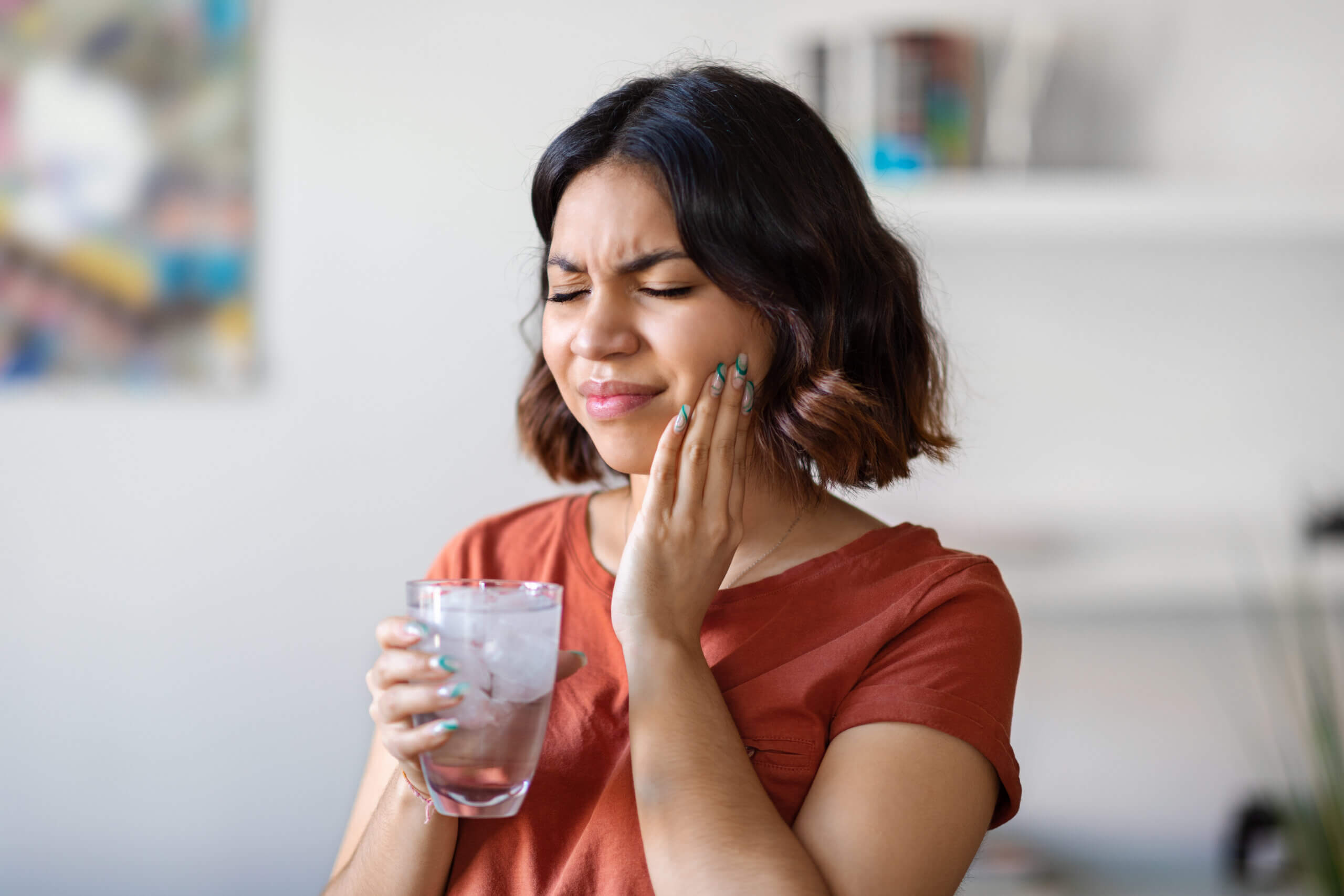
Why Are My Teeth So Sensitive?
Have you noticed that your teeth are more sensitive when you drink or eat certain foods? In certain instances, when you brush your teeth, you can feel sharp and sudden pain in your teeth when they become sensitive. The most typical cause of tooth sensitivity is worn-out enamel, but other factors, such as a cracked tooth or gum disease, can be the reason.
You’re not alone if your sensitive teeth bother you. You don’t have to put up with the pain much longer. Read on to find out what causes it and what you can do to help ease your tooth sensitivity.
Symptoms of Sensitive Teeth
You may have noticed specific moments when your teeth are painful if you eat or drink certain things. Consider this an early warning sign for an underlying dental problem. What are the common symptoms of sensitive teeth that you can look for?
- Cold food and drinks: Try different foods and beverages with varying degrees of coldness.
- Hot food and drinks: Usually, if you experience sensitivity to cold foods and beverages, there’s a high chance you’re also sensitive to hot things.
- Sugary foods and drinks: Sometimes, you can have a sharp pain when you drink juice or eat chocolate due to the cavities caused by sugary foods and beverages.
- Acid-rich foods and drinks: Highly acidic foods can imbalance your mouth’s pH levels.

Causes of Teeth Sensitivity
There are various reasons why you might be feeling teeth sensitivity anytime you bite into something. Below are some common causes of teeth sensitivity that you should be aware of.
Brushing Too Much
Sometimes you can brush your teeth a bit too hard. After a while, this can wear down the protective layer of your teeth. As a result, the microscopic canals that lead to your nerves can become exposed.
The nerves can trigger teeth sensitivity when you drink hot or cold foods and drinks. This results in discomfort that require a visit to your dentist. Brushing your teeth with care and changing your hard-bristled toothbrush is necessary.
Grinding Your Teeth
You most likely don’t do it on purpose, yet you find yourself grinding your teeth more often than you’d like to. As much as your tooth enamel is strong, grinding your teeth can wear it down. This can lead to your dentin, the middle layer of your teeth that connects to the nerves, being exposed.
If you can’t stop grinding your teeth, you should consider having a chat with your dentist. They may recommend a mouthguard to make it easier, especially if you do so in your sleep.
You Have Gum Disease
Did you know that receding gums become more common as you get older? If you’ve noticed that your gums have been pushed back over the years, you should make an appointment with your dentist. This can sometimes represent an underlying dental condition such as periodontitis.
Different things, such as smoking, can cause severe gum disease. This can lead to sensitive teeth, especially when you brush your teeth. To prevent ongoing discomfort, a dentist can recommend a procedure that can help seal your teeth.
Excessive Plaque
Eating foods with too much sugar or starch increases the risk of plaque buildup in your mouth. When the bacteria in your mouth try to break down the sugar and starch, it releases acid. If you skip brushing your teeth after your meals, the combination of bacteria and acid creates a sticky film that clings to your teeth called plaque.
The longer the plaque stays on your teeth, the worse the bacteria and acid wear down your tooth enamel. The plaque can harden and lead to cavities, gum disease, infection, and tooth loss in extreme cases. If you go for your regular dental checkup twice a year, your dentist can detect plaque buildup and use specific instruments to remove it.

You Use Teeth Whitening Products
Tooth sensitivity is the most common side effect of teeth whitening products. You can also expect other side effects such as redness, swelling of gums and soreness in your mouth. Even though teeth whitening is considered safe, it can have disadvantages when you don’t consult your dentist and use the wrong products.
Most importantly, it’s a procedure you should avoid if you have any underlying dental concerns. Discussing anything with your dentist is crucial to know if it’s safe for you.
In conclusion, teeth sensitivity is something that affects most people. It’s always best to notice the signs early on to get the most effective treatment before it worsens. Affinity Dental has a comprehensive range of network dentists that can recommend ways to improve your dental concerns. Contact us today if you’re worried about the health of your teeth.
If you would like to leave a comment
CLICK HERE